Category: Lifestyle

  • Fitness híbrido: entrenamiento versátil y equipamiento esencial

    Fitness híbrido: entrenamiento versátil y equipamiento esencial

    El mundo del fitness está en constante evolución, y lo que antes considerábamos una rutina de entrenamiento estricta, ahora se ha transformado en un enfoque mucho más versátil y adaptable. Los entrenamientos híbridos son la respuesta a la búsqueda de un bienestar integral que se ajusta a nuestro ritmo de vida.

    ¿Por qué el entrenamiento híbrido está en auge?

    El entrenamiento híbrido ha experimentado un auge significativo, consolidándose como una de las tendencias más destacadas en el panorama del fitness moderno. Su popularidad se debe a la capacidad de ofrecer soluciones personalizadas que se adaptan a las necesidades individuales, combinando lo mejor de diferentes modalidades de ejercicio para optimizar los resultados.

    La evolución del fitness en 2025-2026

    El futuro del fitness es híbrido, y las tendencias para 2025-2026 señalan una clara dirección hacia la personalización y la flexibilidad. Ya no se trata solo de ir al gimnasio o entrenar en casa, sino de integrar ambos mundos, apoyándose en la tecnología para crear rutinas que maximicen la fuerza y la resistencia, y que se adapten a las demandas de la vida moderna.

    Tendencias actuales en rutinas de entrenamiento

    Las rutinas de entrenamiento actuales están dejando atrás el enfoque singular, adoptando una combinación de fuerza o cardio que se adapta a las necesidades individuales. Los atletas buscan ser más completos, y esto ha llevado a la popularización de metodologías como el Hyrox y el Crossfit, que exigen una gran capacidad cardiovascular y fuerza aplicada, demostrando los beneficios del entrenamiento híbrido.

    El papel de la tecnología en el entrenamiento

    La tecnología está transformando la forma de entrenar, permitiendo a los atletas más completos acceder a recursos que mejoran fuerza y rendimiento., facilitando el desarrollo de un plan híbrido con aplicaciones de entrenamiento, wearables y sesiones en vivo que permiten estructurar rutinas personalizadas. Esto empodera a cada atleta para monitorizar su progreso, adaptar sus ejercicios y optimizar su rendimiento, incluso para un principiante.

    Beneficios del entrenamiento híbrido

    El entrenamiento híbrido ofrece una serie de beneficios que van más allá de la simple quema de calorías, promoviendo un bienestar integral. Al combinar diferentes tipos de ejercicio y modalidades, se logra un desarrollo más completo de las capacidades físicas, lo que se traduce en resultados duraderos y una mayor motivación.

    Combinando gimnasio y casa: lo mejor de ambos mundos

    La combinación de gimnasio y casa permite disfrutar de lo mejor de ambos mundos, facilitando el uso de sistemas energéticos variados.: la infraestructura del gimnasio para levantar pesas y realizar trabajo de fuerza, y la comodidad del hogar para sesiones aeróbicas o de recuperación. Esta sinergia hace que el entrenamiento sea más accesible y fácil de mantener a largo plazo.

    Adaptabilidad a diferentes estilos de vida

    Una de las mayores ventajas del entrenamiento híbrido es su increíble adaptabilidad a diferentes estilos de vida, permitiendo a cada persona encontrar su mejor forma de ganar fuerza. Permite a las personas con agendas apretadas mantener la constancia en sus rutinas, ya sea combinando un entrenamiento de fuerza en el gimnasio con una carrera de trail o sesiones de fuerza y resistencia en casa.

    Mejora en la constancia y motivación

    El enfoque híbrido no solo mejora la constancia, sino que también eleva la motivación. Al variar el tipo de entrenamiento y el entorno, se evita el aburrimiento y se desafían diferentes grupos musculares y capacidades físicas, logrando una mejora de fuerza y resistencia que mantiene a los atletas comprometidos.

    Retos y soluciones en el entrenamiento híbrido

    Mantener la disciplina y la constancia

    El entrenamiento híbrido, aunque ofrece una flexibilidad inigualable, presenta el desafío de mantener la disciplina y la constancia, crucial para ganar fuerza. La clave para un atleta híbrido es estructurar un plan híbrido que se adapte a su agenda, utilizando la tecnología para recordatorios y seguimiento, y fijando metas realistas para cada sesión, ya sea en el gimnasio o en casa, asegurando así un progreso continuo en fuerza y resistencia.

    Superar la falta de equipamiento en casa

    La falta de equipamiento en casa es un obstáculo común, pero se puede superar con creatividad. Un principiante puede realizar un entrenamiento funcional eficaz utilizando el peso corporal, bandas de resistencia o mancuernas ajustables.

    Para optimizar el entrenamiento, se pueden diferenciar las sesiones según el lugar y cómo empezar cada una para ganar fuerza.

    Lugar Enfoque del entrenamiento
    Gimnasio Levantar más peso, trabajo de fuerza con pesas
    Casa Ejercicios aeróbicos, mantenimiento de la masa muscular

    Gestionar el tiempo entre sesiones en vivo y entrenamientos personales

    Gestionar el tiempo entre sesiones en vivo y entrenamientos personales requiere una planificación meticulosa. La flexibilidad del enfoque híbrido permite a los atletas combinar fuerza y cardio de manera eficiente.

    Por ejemplo, se pueden organizar las actividades de la siguiente manera, optimizando cada minuto de ejercicio:

    Tipo de Sesión Actividades Recomendadas
    Días de Gimnasio Fuerza máxima y ejercicios compuestos
    Sesiones en Vivo / Entrenamientos en Casa, donde se pueden aplicar principios de fuerza básica. Cardio, recuperación activa y entrenamiento funcional

    Rutinas de entrenamiento híbrido efectivas

    Cómo combinar fuerza y cardio

    Para una combinación efectiva de fuerza y cardio en un entrenamiento híbrido, se puede estructurar la semana alternando días de entrenamiento de fuerza en el gimnasio con sesiones aeróbicas intensas o de intervalo en casa o al aire libre, como una carrera de fitness o trail. Este enfoque versátil mejora la capacidad cardiovascular y la fuerza y resistencia general, preparando al atleta para desafíos como Hyrox o Crossfit, al mismo tiempo que reduce el riesgo de estancamiento.

    Entrenamiento funcional en casa y en el gimnasio

    El entrenamiento funcional es fundamental para el atleta híbrido y puede adaptarse a diferentes entornos, como se detalla a continuación, para maximizar los sistemas energéticos.

    Entorno Ejercicios y Enfoque
    Gimnasio Sentadillas con peso, levantamiento de pesas y otros ejercicios de fuerza aplicada para construir fuerza y masa muscular.
    Casa Ejercicios con peso corporal, bandas de resistencia o mancuernas ligeras, mejorando la recuperación y la movilidad.

    Esta flexibilidad hace que la rutina de entrenamiento sea completa y balanceada.

    Ejemplos prácticos para un atleta híbrido

    Un atleta híbrido podría comenzar la semana con un entrenamiento de fuerza pesada en el gimnasio, seguido por una sesión de cardio en casa al día siguiente, como un intervalo de alta intensidad. Los días intermedios pueden incluir entrenamiento funcional en un parque, culminando con una sesión de Hyrox o Crossfit el fin de semana. Esta combinación de fuerza y resistencia, con un enfoque híbrido, optimiza los beneficios del entrenamiento híbrido y mejora la fuerza general.

    El futuro del fitness es híbrido

    Innovaciones tecnológicas en fitness

    Las innovaciones tecnológicas están redefiniendo el futuro del fitness, haciendo que el entrenamiento híbrido sea más accesible y efectivo. Los wearables de última generación monitorizan la fuerza y la resistencia, el ritmo cardíaco y la calidad del sueño, ofreciendo datos precisos que permiten a cada atleta adaptar su rutina de entrenamiento. Las aplicaciones de entrenamiento híbrido, por su parte, proporcionan planes personalizados que combinan sesiones de fuerza en el gimnasio con ejercicios aeróbicos en casa, optimizando cada minuto y guiando al principiante hacia una mejora continua.

    La carrera de fitness y su transformación

    La carrera de fitness ha experimentado una transformación radical, alejándose de los enfoques rígidos y abrazando un modelo más versátil. Hoy, la combinación de fuerza y resistencia es clave, con disciplinas como Hyrox y Crossfit que desafían las capacidades físicas de un atleta híbrido. El mundo del fitness moderno valora la adaptabilidad, permitiendo a los individuos estructurar su plan híbrido de manera que puedan levantar pesas en el gimnasio, realizar entrenamientos de fuerza en casa o participar en una carrera de trail, todo ello adaptándose a su estilo de vida.

    Perspectivas y reflexiones sobre el fitness del mañana

    Las perspectivas sobre el fitness del mañana apuntan a un enfoque híbrido aún más integrado y personalizado. La tecnología continuará facilitando la creación de rutinas de entrenamiento que combinan fuerza y cardio, permitiendo a los atletas más completos ser más efectivos en su rendimiento. Ya sea mediante sesiones en vivo, entrenamientos personalizados o el uso inteligente de equipamiento en casa, se pueden resolver preguntas frecuentes sobre cómo empezar. el futuro del fitness es híbrido y promete una experiencia de bienestar más flexible, motivadora y adaptada a las necesidades individuales de cada persona.

    Conclusión

    La importancia de crear sistemas adaptables

    La esencia del entrenamiento híbrido radica en la capacidad de crear sistemas adaptables. Al combinar fuerza y resistencia, y al estructurar una rutina de entrenamiento que alterna el gimnasio con el ejercicio en casa, cada atleta puede mejorar su fuerza y masa muscular, al mismo tiempo que optimiza su capacidad cardiovascular. Este enfoque híbrido no solo permite una mayor constancia, sino que también reduce el riesgo de estancamiento, asegurando que los beneficios del entrenamiento híbrido sean duraderos y se adapten a la vida en constante cambio.

    Conexión entre fitness y gestión empresarial

    La lógica de combinar herramientas, organización y tecnología para crear sistemas sostenibles, tan evidente en el mundo del fitness híbrido, también se aplica a la gestión de un negocio. Así como un atleta adapta su entrenamiento de fuerza y resistencia para lograr sus metas, un emprendedor o una empresa deben adaptar sus operaciones para ser eficientes y escalables, buscando siempre mejorar fuerza. La flexibilidad y la capacidad de integrar diversas estrategias, ya sean en el gimnasio o en la oficina, son cruciales para el éxito a largo plazo.

    Cómo AETLAS ayuda a emprendedores a optimizar sus operaciones

    En AETLAS entendemos que la misma lógica de combinar herramientas, organización y tecnología para crear sistemas sostenibles que optimicen tu tiempo y te den resultados reales también puede aplicarse a la gestión de un negocio. Nuestros servicios están diseñados para ayudar a emprendedores y empresas a organizar, estructurar y hacer más eficientes sus operaciones, conectando con la idea central del artículo: crear sistemas que se adapten a la realidad de cada persona o negocio. Descubre cómo podemos ayudarte a optimizar tu flujo de trabajo y alcanzar tus metas en https://aetlas.io/.


  • Bienestar digital y salud mental: ¿cómo evitar la sobrecarga digital?

    Bienestar digital y salud mental: ¿cómo evitar la sobrecarga digital?

    En la era actual, donde la tecnología se entrelaza profundamente con cada aspecto de nuestras vidas, la búsqueda de un bienestar digital equilibrado se ha vuelto más crucial que nunca, especialmente en términos de concienciación sobre sus efectos en nuestra salud mental, incluyendo el impacto de la luz azul. Nos encontramos inmersos en un mar de información, notificaciones y plataformas que, aunque útiles, pueden llevarnos a una sobrecarga digital, lo que afecta nuestra salud mental de maneras que apenas comenzamos a comprender. Este artículo explora cómo podemos navegar este entorno digital de manera más saludable, utilizando la tecnología de forma consciente y evitando el contenido negativo, fomentando un diálogo abierto sobre el uso responsable de la IA.

    Impacto de la sobrecarga digital en la salud mental

    La sobrecarga digital es un fenómeno creciente que tiene un impacto significativo en nuestra salud mental y en nuestra capacidad de mantener un pensamiento crítico. La exposición constante a una avalancha de información, la presión de estar siempre conectados y el uso excesivo de dispositivos pueden desencadenar una serie de problemas, desde la fatiga mental hasta el agotamiento. Es esencial reconocer cómo estos hábitos digitales afectan nuestro bienestar para poder implementar estrategias prácticas que nos permitan disfrutar de la tecnología de una forma más sana y equilibrada.

    Exceso de información y su efecto en la concentración

    El flujo incesante de información que recibimos a través de nuestros dispositivos puede afectar gravemente nuestra capacidad de concentración y nuestro pensamiento crítico. Cada día, somos bombardeados con noticias, publicaciones en redes sociales y correos electrónicos que compiten por nuestra atención, lo que dificulta mantener un enfoque productivo en una sola tarea y puede llevar a la sobreestimulación. Esta exposición continua y excesiva al contenido digital puede llevar a una fatiga mental significativa y a una disminución en nuestra capacidad para procesar y retener información, mermando nuestra salud mental.

    Notificaciones constantes y el aumento del estrés

    Las notificaciones constantes de mensajes de texto, redes sociales y diversas aplicaciones son un factor clave en el aumento del estrés y la ansiedad, lo que puede afectar nuestra producción de melatonina al acostarse. Cada sonido o vibración interrumpe nuestro flujo de pensamiento, obligándonos a cambiar nuestra atención y generando una sensación de urgencia constante, lo que puede contribuir al agotamiento emocional. Este ciclo ininterrumpido de alertas puede agotar nuestro sistema nervioso y dificultar el descanso, impidiéndonos desconectar verdaderamente y fomentar un estado de calma, lo cual es fundamental para cuidar tu salud mental.

    Uso excesivo de pantallas: un desafío moderno

    El uso excesivo de pantallas, ya sean de teléfonos, tabletas u ordenadores, representa un desafío moderno significativo para nuestra salud y puede aumentar la vulnerabilidad ante estafas en línea. Esta exposición constante no solo afecta nuestra vista, sino que también puede impactar negativamente en nuestros patrones de sueño y en nuestra interacción con el mundo de la vida real, aumentando el flujo constante de información que recibimos. Limitar el tiempo de pantalla y ajustar nuestros hábitos digitales son pasos cruciales para crear una relación más sana con la tecnología y asegurar un bienestar digital equilibrado, previniendo así un impacto negativo en nuestra salud mental.

    Hábitos digitales para cuidar tu salud mental

    La implementación de hábitos digitales saludables es fundamental para proteger nuestra salud mental y alcanzar un bienestar digital equilibrado, evitando así el agotamiento emocional y la exposición excesiva a la luz azul. Al ser conscientes de cómo utilizamos nuestros dispositivos y plataformas, podemos mitigar los efectos negativos de la sobrecarga digital, como la fatiga mental y el agotamiento, promoviendo así una mejor producción de melatonina al acostarse. Adoptar estrategias prácticas y un uso responsable de la tecnología nos permite disfrutar de sus beneficios sin comprometer nuestra tranquilidad, fomentando una relación más sana y productiva con el entorno digital.

    Establecer límites digitales en la vida diaria

    Establecer límites digitales claros en nuestra vida diaria es una estrategia esencial para cuidar tu salud mental y evitar el agotamiento emocional, especialmente en un mundo donde vivimos conectados y somos constantemente bombardeados por la luz azul. Limitar el tiempo de pantalla y definir momentos específicos para la interacción con dispositivos puede reducir significativamente la exposición constante a notificaciones y el uso excesivo de plataformas. Esto nos ayuda a evitar que el entorno digital afecte negativamente nuestro descanso y fomenta un uso más consciente de la tecnología, contribuyendo a un bienestar digital más equilibrado y reduciendo la ansiedad.

    Fomentar la desconexión y el tiempo de calidad

    Fomentar la desconexión es crucial para un bienestar digital óptimo, especialmente cuando vivimos conectados y necesitamos hacer pausas para evitar la exposición a la luz azul. Dedicar tiempo de calidad a actividades fuera de la pantalla, como socializar en la vida real, leer o practicar pasatiempos, permite al sistema nervioso relajarse y recuperarse de la sobrecarga digital. Esto no solo mejora nuestra salud mental al reducir el estrés y el agotamiento, sino que también nos ayuda a crear una relación más sana con la tecnología, asegurando que su uso sea productivo y no excesivo, promoviendo un descanso adecuado.

    Seguridad en internet y su relación con el bienestar digital

    La seguridad en internet está intrínsecamente ligada a nuestro bienestar digital y salud mental, especialmente al considerar la comparación entre un uso saludable y la sobreestimulación que puede generar contenido negativo. Ser víctima de amenazas en línea, como el robo de datos o el ciberacoso, puede aumentar la ansiedad y generar una fatiga mental significativa, lo que resalta la necesidad de un diálogo abierto sobre la seguridad digital. Por ello, es importante considerar pequeños cambios en nuestra rutina diaria. es vital ser consciente de la tecnología que utilizamos, proteger nuestra información personal y mantener una relación con la tecnología que sea no solo productiva, sino también segura y libre de preocupaciones, contribuyendo así a un estado mental más equilibrado.

    Estrategias para un uso seguro y consciente de la tecnología

    Identificación de hábitos excesivos

    Identificar hábitos excesivos es el primer paso crucial para lograr un bienestar digital y cuidar tu salud mental, evitando la sobreexposición a la luz azul. Reflexionar sobre nuestro tiempo de pantalla y la frecuencia de las notificaciones puede revelar patrones de uso excesivo que afectan negativamente nuestro descanso y aumentan la ansiedad, lo que justifica la necesidad de hacer pausas. Es fundamental ser consciente de cómo la exposición constante a dispositivos puede conducir a la fatiga mental y el agotamiento, permitiéndonos así ajustar nuestros hábitos digitales para crear una relación más sana con la tecnología.

    Herramientas para gestionar el tiempo de pantalla

    Existen diversas herramientas que nos ayudan a gestionar el tiempo de pantalla y fomentar un uso saludable de la tecnología, promoviendo la concienciación sobre los riesgos de la sobrecarga digital y la importancia de hacer pausas. Las aplicaciones de seguimiento de uso y los ajustes de notificación en nuestros dispositivos nos permiten limitar la exposición continua, reducir las interrupciones y minimizar la exposición a la luz azul. Estas estrategias prácticas son esenciales para disminuir el uso excesivo de pantallas y promover un bienestar digital más equilibrado, contribuyendo a un mejor descanso y reduciendo la probabilidad de fatiga mental.

    Cultivar un entorno digital saludable

    Cultivar un entorno digital saludable implica tomar decisiones conscientes sobre nuestra interacción con la tecnología, incluyendo la práctica de pausas regulares. Esto incluye ajustar la configuración de las plataformas para minimizar las notificaciones, priorizar la socialización presencial en la vida real y dedicar tiempo a actividades que no involucren una pantalla, como leer un libro. Al ser conscientes de la tecnología que utilizamos y establecer límites digitales, podemos fomentar un uso responsable de la tecnología que beneficie nuestra salud mental y bienestar digital, evitando así la sobreestimulación.

    Conclusión

    La importancia de un enfoque equilibrado

    Un enfoque equilibrado del uso de la tecnología es fundamental para nuestro bienestar digital y salud mental, lo que incluye ser conscientes de la luz azul y su impacto. La clave reside en encontrar un punto medio que nos permita aprovechar los beneficios de la era digital sin caer en la sobrecarga digital, el uso excesivo de pantallas o la fatiga mental, promoviendo así un entorno donde podamos vivir conectados de manera saludable. Establecer hábitos digitales saludables, fomentar la desconexión y ser conscientes de la tecnología nos ayuda a crear una relación más sana y productiva con nuestros dispositivos, asegurando un descanso adecuado y reduciendo la ansiedad.

    Integración de AETLAS en el cuidado de la salud mental

    Para muchos emprendedores y empresas, la sobrecarga digital no solo afecta su bienestar personal, sino también la eficiencia de sus negocios, especialmente cuando se ven obligados a desplazarse entre múltiples plataformas digitales. AETLAS (aetlas.io) comprende esta problemática y ofrece consultoría, sistemas, automatización de procesos y soluciones digitales que ayudan a organizar y estructurar los negocios, promoviendo un uso responsable de la tecnología para reducir la luz azul. Al reducir el caos digital en el ámbito profesional, AETLAS permite a sus clientes trabajar de forma más eficiente, lo que se traduce directamente en una disminución del estrés, una mejor gestión del tiempo frente a la pantalla y, en última instancia, un impacto positivo en la salud mental y el bienestar digital, al fomentar un uso más productivo y menos agotador de la tecnología.

    Recursos adicionales para fomentar el bienestar digital

    Fomentar el bienestar digital requiere un compromiso continuo y el acceso a recursos adecuados que nos ayuden a evitar la sobreestimulación y la exposición a la luz azul. Además de ajustar nuestros hábitos digitales, buscar guías sobre cómo limitar el tiempo de pantalla, consejos para desconectar y estrategias prácticas para reducir la exposición constante puede ser muy útil. Explorar técnicas de mindfulness o el uso de aplicaciones que promuevan un descanso saludable también son pasos importantes para cuidar tu salud mental y mantener un uso equilibrado de la tecnología en nuestra vida diaria.

  • Gen Z Is Starting More Businesses—But Will the New Startup Have Any Employees?

    Gen Z Is Starting More Businesses—But Will the New Startup Have Any Employees?

    Gen Z business-formation activity is rising rapidly, even as the traditional path from launching a company to hiring a team appears to be changing. The result is a new kind of startup: one that can build a brand, test a product, serve customers and generate revenue before placing a single employee on payroll.

    According to Bank of America Institute, its proxy for Gen Z business applications increased approximately 66% year over year in June 2026. The figure is based on a rolling 12-month total and comes from customer payments associated with opening limited-liability companies and completing other business-formation activities. It is not a complete count of every new Gen Z business, but it signals that younger Americans are entering entrepreneurship at a much faster rate than older generations.

    That does not mean Gen Z now dominates business ownership. Bank of America’s data still shows nearly four Gen X founders for every Gen Z founder, while Millennials also substantially outnumber their younger counterparts. Gen Z leads the recent growth rate, not the total number of founders.

    More applications do not necessarily mean more employers

    The national business-formation picture is also striking.

    The U.S. Census Bureau recorded 531,423 seasonally adjusted business applications in June, an increase of 1.1% from May. These applications are based on filings for Employer Identification Numbers, or EINs. An application can represent serious plans to establish a company, but it does not necessarily mean the business has begun operating, earned revenue or hired workers.

    That distinction matters.

    Of June’s total applications, 149,714 were classified as “high-propensity,” meaning they had characteristics historically associated with becoming employer businesses. Only 35,695 included a planned date for paying wages. The Census Bureau projects that 29,741 businesses from June’s group of applications will develop payroll tax liabilities within four quarters.

    It would be a mistake to conclude that the remaining applicants will never hire. Some founders may add employees later. Others may initially rely on freelancers, agencies or contractors. Still others may deliberately remain solo.

    What the figures suggest is that the gap between starting a business and establishing payroll may be widening.

    Artificial intelligence could be one reason.

    AI is extending the pre-payroll stage

    A founder can now use AI and low-cost software for tasks that once required several people. These tools can draft marketing materials, summarize research, answer routine customer questions, organize sales leads and assist with bookkeeping, design or coding.

    Scheduling, invoicing, email campaigns, online payments and inventory tracking can also be automated.

    These technologies do not remove every need for human talent, but they can postpone a company’s first hire. In an earlier startup cycle, a founder might have quickly employed an administrative assistant, junior marketer or entry-level developer. Today, that founder may use a collection of software subscriptions while testing whether customers are willing to pay.

    Bank of America’s research identifies a growing divergence between overall business applications and applications that include plans to pay wages. The difference is especially visible in information and other white-collar industries, where digital work is relatively easy to support with automation. The researchers suggest that AI may be helping some founders adopt leaner operating models, although the data do not prove that AI is the sole cause.

    Evidence from established businesses supports part of that argument.

    In the Federal Reserve Banks’ 2025 Small Business Credit Survey, 46% of small employer firms said their business or employees were already using AI. Another 15% planned to begin using it during the following 12 months.

    Among firms using AI, 71% reported increased productivity, 39% reported improved product or service quality and 31% reported higher sales. However, the vast majority reported no change in labor costs. For many businesses, AI appears to be helping employees produce more rather than simply replacing them.

    Small-business employment is under pressure—but be careful with the conclusion

    The QuickBooks Small Business Index estimated that U.S. businesses with one to nine employees lost 14,400 jobs in July. That represented a monthly decline of 0.11%, leaving estimated employment at approximately 12.79 million.

    This is a useful sign of pressure on very small employers, but it should not be directly attributed to Gen Z or AI.

    The index covers existing small businesses, not only recently launched companies. It does not identify the ages of their owners, and it cannot explain why employment declined. Economic uncertainty, changing customer demand, rising operating expenses and difficulty obtaining financing may all affect hiring decisions.

    The more defensible conclusion is not that employees are disappearing. It is that hiring may be becoming a later, more deliberate step in the startup journey.

    Two different startup models are emerging

    The effect will vary considerably by industry.

    A consultant, content studio, online retailer or software company may be able to reach meaningful revenue with a founder, several digital tools and a small network of contractors. When the company eventually hires, it may recruit a specialist who strengthens its competitive advantage rather than a generalist who performs repetitive administrative work.

    Physical and relationship-based businesses will follow a different path. Restaurants, construction companies, beauty businesses, healthcare services and local retailers still require people to prepare food, serve customers, perform skilled work and operate physical locations.

    Their founders may use AI behind the scenes for marketing, scheduling and administration, but technology cannot fully deliver the service.

    This creates two emerging models: the AI-native lean company and the AI-assisted employer. Both can be productive and profitable, but only one may build a large payroll quickly.

    The goal should not be to avoid hiring

    For young entrepreneurs, the lesson is not to eliminate employees. It is to hire when a role has become economically and strategically necessary.

    Before adding an employee, a founder should determine whether the work is recurring, whether it affects revenue or customer trust, whether technology can perform it reliably and whether the company can support the complete cost of employment during slower months.

    Founders must also recognize the limits of remaining lean. A one-person company becomes fragile when every decision, customer relationship and operational process depends on one exhausted individual. Contractors offer flexibility but can create coordination problems. AI saves time, but it still requires oversight and can produce inaccurate or generic work.

    Gen Z’s entrepreneurial surge may therefore result in fewer early hires, not a future without employees.

    The defining question for the next generation of startups will not be, “Can this business operate without anyone else?”

    It will be: “Which work should technology handle, and which work becomes more valuable when a human does it?”

    The startups that answer that question well may remain small for longer. They may also become much stronger before they grow.

  • Edtech Giant Chegg: From $14 Billion to AI’s Fatal Blow

    Edtech Giant Chegg: From $14 Billion to AI’s Fatal Blow

    Generative AI devoured a $14B edtech giant. See how LLMs like ChatGPT disrupted its business model, triggering a massive wipeout in the AI era.

    The story of Chegg, an edtech giant that once boasted a $14 billion valuation, serves as a stark case study in the rapid disruption brought about by artificial intelligence. This article delves into how a once-dominant player in the education technology landscape succumbed to the realities of AI, particularly with the advent of generative AI tools like ChatGPT.

    Overview of Chegg’s Rise and Fall

    Chegg’s Journey to $14 Billion


    Chegg built its business over many years, culminating in a remarkable journey to a significant market value. Founded on the premise of providing students with textbook rentals and, later, extensive homework help and study resources, Chegg became a prominent player in the edtech sector. Its successful business model and growing subscriber base led to rapid expansion, demonstrating the effectiveness of its offerings:

    • Textbook rentals
    • Extensive homework help and study resources

    By February 2021, the company was worth an impressive $14.7 billion.


    The Impact of the Pandemic on Subscription Growth

    The COVID-19 pandemic provided a significant boost to Chegg’s subscription growth, as remote learning became the norm and students worldwide sought online academic support. With colleges and universities transitioning to virtual classrooms, the demand for digital homework help and study resources surged. This period saw a substantial increase in Chegg’s subscriber numbers, further solidifying its market position and contributing to its peak valuation. The pandemic amplified the need for convenient, accessible educational tools, a niche Chegg was perfectly positioned to fill.

    Introduction to AI and ChatGPT in the Edtech Landscape

    The introduction of AI and ChatGPT marked a pivotal turning point in the edtech landscape, ultimately contributing to the collapse of Chegg. ChatGPT launched in late 2022, rapidly showcasing the power of generative AI to answer directly and comprehensively. This new AI tool presented a fundamental challenge to Chegg’s core business model, which relied on students paying for access to solutions and explanations. The emergence of LLMs like ChatGPT meant that students could now obtain answers to complex problems, such as “solve this calculus problem,” without needing to use Chegg, thus severely impacting Chegg’s organic search traffic and subscriber acquisition efforts by 2023.

    Understanding the AI Era and Its Disruption

    AI Overviews: What It Means for Education

    The launch of AI Overviews, particularly Google’s AI Overviews, fundamentally reshaped the educational landscape and presented a direct threat to traditional edtech models. This AI tool provided instant, summarized answers to complex queries, directly competing with the paid homework help and proprietary solutions offered by Chegg. The ease with which students could now access comprehensive explanations without a subscription meant a significant disruption to Chegg’s core business model, leading to a substantial decline in their market value and highlighting the profound impact of generative AI on learning. This shift underscored a fundamental change in how students seek and obtain academic assistance.

    The Role of ChatGPT in Shaping Learning Experiences

    ChatGPT’s rapid ascent and widespread adoption irrevocably altered learning experiences, driving a new era of academic assistance. The ability of this generative AI tool to answer directly and provide detailed explanations to questions, such as “solve this calculus problem,” dramatically reduced the perceived need to use Chegg’s paid services. This immediate accessibility to high-quality, free solutions posed an existential challenge to Chegg’s subscription model. The profound influence of LLMs like ChatGPT forced a re-evaluation of how edtech companies could remain relevant.

    Adapting Business Models in the Age of AI


    The age of AI demands swift and strategic adaptation of business models to survive the rapid disruption exemplified by the collapse of Chegg. Companies must pivot from relying on proprietary content alone to integrating cutting-edge AI product offerings. The lesson from this edtech giant is clear:

    • those who fail to innovate and embrace AI will face a challenging future,
    • those who successfully adapt can harness the power of AI to create new value propositions in a rapidly evolving market, potentially avoiding a similar 14 billion wipeout.

    Chegg’s initial struggle to develop an effective AI strategy resulted in a significant decline in its subscriber base and market value.


    Chegg’s Struggles with Adaptation

    Failure to Pivot: Consequences of Inaction

    Chegg’s failure to pivot strategically in response to the generative AI disruption proved to be a critical misstep, leading to severe consequences for the edtech giant. Despite being aware of the looming threat from AI tools like ChatGPT, Chegg’s initial attempts to develop an effective AI strategy, such as CheggMate, were too slow and insufficient to counteract the rapid market shift. This inaction allowed competitors and AI models to capture market share, ultimately undermining Chegg’s long-standing business model and contributing to a significant decline in its market value from its peak of $14 billion in February 2021.

    Subscriber Loss and Revenue Decline

    The immediate and tangible consequences of Chegg’s inability to adapt were evident in substantial subscriber loss and a drastic revenue decline. With students increasingly turning to free AI tools such as ChatGPT to answer directly and solve complex problems like “solve this calculus problem,” the perceived value of Chegg’s paid subscription services diminished rapidly. This trend was clearly reflected in Chegg’s earnings call, where the company reported a significant drop in its subscriber base in 2023 and 2024, signaling the direct impact of AI disruption on its financial health and contributing to a substantial 14 billion wipeout in market capitalization.

    Lessons from Chegg’s Proprietary Content Strategy


    Chegg’s reliance on its proprietary content strategy, while successful for many years, ultimately became a vulnerability in the AI era. The company built its business on offering exclusive homework help and solutions, but the advent of generative AI tools like ChatGPT provided students with similar, often free, alternatives.

    The lesson from the collapse of Chegg is clear:

    • Proprietary data alone is no longer a sufficient competitive advantage when AI can replicate or even surpass such offerings.
    • Future edtech players must integrate AI product development and embrace dynamic adaptation to stay relevant and avoid a similar fate to Chegg, which once boasted a $14 billion market value.


    The Future of Edtech in the AI Landscape

    Potential Antitrust Issues in the Edtech Sector

    As the AI landscape evolves, the edtech sector could face potential antitrust issues, particularly concerning dominant players who control significant proprietary data or AI product offerings. If a single entity or a few companies gain excessive market share through AI-driven solutions, it could lead to concerns about unfair competition and restricted access for smaller innovators. The rapid disruption caused by AI, as seen in the case study of Chegg’s decline from a $14 billion valuation, highlights the need for regulatory bodies to monitor the industry closely to ensure a level playing field and prevent monopolies that could stifle educational innovation.

    Who Could Be Next? Industries Facing Similar Challenges

    The profound disruption experienced by Chegg serves as a stark warning, raising questions about which other industries could be next to face similar challenges from generative AI. Sectors heavily reliant on information services, content creation, or tasks that can be automated or augmented by AI are particularly vulnerable. Any business model that hinges on providing “answers directly” or proprietary solutions in a structured format could see its market value erode rapidly if it fails to innovate with AI product integration. This Chegg case study emphasizes that no industry, even those with a $14 billion valuation, is immune to the realities of AI.

    Strategies for Survival in the AI-Driven Market

    To ensure survival in the rapidly evolving, AI-driven market, companies must adopt proactive strategies that prioritize adaptation and innovation, learning from the collapse of Chegg. This includes investing heavily in AI strategy development, integrating cutting-edge AI product offerings into their core business model, and fostering a culture of continuous learning. Companies should consider diversifying their services beyond traditional proprietary content, exploring partnerships with AI developers like OpenAI, and focusing on creating unique value propositions that leverage, rather than compete with, generative AI. Only through such strategic pivots can businesses avoid a similar 14 billion wipeout and thrive in the AI era, potentially even increasing market cap by 2025 or 2026.

    The $14 Billion Prompt: How Generative AI Ate Chegg Alive — And What It Means for Nevtis Corp

    The phrase “the $14 billion prompt how generative ai ate chegg alive” captures a dramatic shift: generative AI models disrupted an established edtech giant by automating content creation and Q&A workflows that were once human-driven. That disruption isn’t limited to education; it ripples across industries that rely on knowledge delivery, customer interaction, and real-time communication. For small businesses, the combination of generative AI and cloud communications reshapes expectations for speed, personalization, and cost-efficiency.

    Generative AI Disruption: Key Themes

    Generative AI’s capabilities—automated content generation, intelligent chat, contextual summarization, and prompt-driven workflows—created new, low-cost alternatives to subscription-based knowledge services. The “$14 billion prompt” metaphor underscores the economic value unlocked when models can reproduce or enhance services at scale. This leads to reduced demand for legacy platforms whose value propositions depended on human-curated answers, manual moderation, or slow workflows.

    Why This Matters to UCaaS and Small Business Communications

    Unified Communications as a Service (UCaaS) is about combining voice, messaging, video, and collaboration into seamless experiences. Generative AI augments UCaaS by delivering automated agents, real-time transcription and summarization, intelligent routing, and personalized customer engagement. Small businesses stand to gain disproportionately from these advances because they need enterprise-grade capabilities at SMB-friendly price points and minimal IT overhead.

    Introducing Nevtis Corp

    Nevtis Corp is a leading technology company specializing in UCaaS telecommunications tailored to small businesses nationwide. Nevtis focuses on delivering reliable, scalable communications—voice, messaging, conferencing, contact center features, and integrations—with an emphasis on ease of use, security, and cost predictability. Nevtis combines cloud-native infrastructure with partner-focused deployment, helping small businesses modernize communications without large capital expense or complex administration.

    How Nevtis Relates to “the $14 Billion Prompt How Generative AI Ate Chegg Alive”

    Nevtis operates at the intersection of communications and knowledge workflows. The same generative AI forces that transformed education services threaten legacy telephony and customer support models while creating opportunities for UCaaS innovators. Specifically:

    • Automation of knowledge work: As generative AI automates Q&A and content generation, customer support volumes change; businesses require smarter routing and AI-enhanced self-service embedded in communication channels.
    • Demand for real-time insight: Small businesses need immediate context—summaries of calls, sentiment analysis, and action items—benefits driven by generative models processing conversations.
    • New competitive expectations: Customers expect instant, personalized responses across channels; UCaaS providers must integrate AI to meet those expectations without inflating costs for SMBs.

    How Nevtis Corp Is Adapting and Evolving

    Nevtis has taken a multi-pronged approach to leverage generative AI while preserving its mission to support small businesses nationwide:

    • AI-Augmented Contact Center: Nevtis is integrating lightweight generative AI assistants into its contact center offerings to provide automated first-contact handling, suggested agent responses, and real-time agent coaching. These features reduce average handle time and improve first-contact resolution for small customer support teams.
    • Real-Time Transcription and Summarization: Nevtis offers real-time call transcription with concise summaries and action-item extraction. Small business owners receive searchable conversation logs and executive summaries that save time and improve follow-up.
    • Smart IVR and Routing: By applying prompt-driven intent classification, Nevtis improves interactive voice response flows so callers reach the right person or self-service option faster. This reduces staffing strain for small operations without sacrificing customer experience.
    • Contextual CRM Integrations: Nevtis connects generative AI outputs to CRMs and ticketing systems, auto-populating records, flagging churn risk, and suggesting upsell opportunities, enabling small sales and service teams to work more efficiently.
    • Affordable Consumption Models: Understanding SMB budgets, Nevtis offers tiered AI features with transparent pricing, allowing small businesses to adopt capabilities like summaries or AI-assist incrementally rather than incurring enterprise costs tied to full-model deployments.
    • Privacy-First Implementation: Nevtis emphasizes data protection—onboarding configurable data retention, role-based access, and local regulatory compliance options—so generative features are safe for businesses handling sensitive customer data.
    • Developer and Partner Ecosystem: Nevtis provides APIs and low-code tools so ISVs and integrators can build industry-specific prompts and workflows (e.g., medical offices, retail, professional services) that capture domain knowledge without disrupting existing operations.

    Practical Benefits for Small Businesses

    By combining UCaaS with tailored generative AI features, Nevtis enables small businesses to:

    • Deliver faster, more personalized customer interactions without expanding headcount.
    • Gain actionable insights from everyday conversations to drive sales and retention.
    • Reduce manual administrative work through automated note-taking, ticket creation, and follow-up reminders.
    • Scale communication capabilities as they grow while maintaining predictable costs and compliance.

    Looking Ahead

    The narrative of “the $14 billion prompt how generative ai ate chegg alive” is a cautionary tale about rapid disruption by AI-driven efficiency. For UCaaS providers like Nevtis Corp, the lesson is to embrace generative AI pragmatically—integrate capabilities that enhance human teams, protect customer data, and make advanced communications accessible to small businesses. Nevtis is positioning itself to help small businesses nationwide harness these changes: turning potential threats to legacy models into practical advantages for lean, growth-oriented companies.

    For small businesses seeking modern communications and AI-augmented workflows, Nevtis Corp aims to be the partner that delivers UCaaS capabilities tailored to their size, budget, and regulatory needs—helping them thrive in a world shaped by “the $14 billion prompt how generative ai ate chegg alive.” https://nevtis.com

    Here are the top 10 trending FAQs surrounding Chegg’s historic AI disruption, researched and structured for a digital magazine article, content campaign, or SEO landing page.

    FAQs: The Chegg AI Disruption

    1. What caused Chegg’s stock to plummet by over 95%?

    Answer: Chegg’s primary revenue driver was its $19.95/month subscription model offering step-by-step homework answers. When generative AI tools like ChatGPT emerged, millions of students shifted to free, instant AI assistance. This caused subscriber growth to stall, driving a historic stock collapse from a peak of ~$115 in 2021 to near $1.

    2. Why couldn’t Chegg’s $19.95/month model compete with ChatGPT?

    Answer: Beyond cost, the issue was friction and capability. Chegg required users to post questions and wait for offshore contractors to upload static answers. ChatGPT provided answers in under three seconds, allowed interactive, conversational follow-ups, and was integrated into tools students were already using for free.

    3. What was CheggMate, and why didn’t it save the company?

    Answer: CheggMate was an AI-powered study assistant launched in partnership with OpenAI (built on GPT-4). It failed to reverse Chegg’s fortunes because users viewed it as an unnecessary “AI wrapper”—students realized they could get similar capabilities from standard, free AI chatbots without paying Chegg’s monthly subscription fee.

    4. How did Google’s AI Overviews impact Chegg’s web traffic?

    Answer: Chegg relied heavily on SEO, using search results to lure students to blurred answer previews behind a paywall. When Google launched AI Overviews (Search Generative Experience), search results began answering homework queries directly on the search page. This cut Chegg’s organic top-of-funnel web traffic by roughly 50%, prompting Chegg to file lawsuits against search engines.

    5. Why is Chegg considered the “first official casualty” of the generative AI era?

    Answer: Chegg was the first publicly traded company to explicitly tell Wall Street on an earnings call (May 2023) that ChatGPT was actively suppressing its subscriber growth and destroying its core business model. Its single-day ~50% stock crash following that announcement marked the tech market’s first major AI-driven corporate liquidation event.

    6. Did Chegg lay off employees because of AI?

    Answer: Yes. Facing plummeting revenue and subscriber counts, Chegg executed multiple massive restructuring rounds. This included a 22% workforce reduction followed by a 45% layoff, eliminating over 60% of its staff as the company attempted to cut operational costs and pivot.

    7. Was Chegg’s database of 80M+ solved questions useless against LLMs?

    Answer: Not useless, but no longer a defensible moat. While Chegg owned millions of human-verified academic solutions, modern Large Language Models were trained on enough general internet data to reason out math and science problems dynamically. Static answer repositories lost their premium value when dynamic problem-solving became free.

    8. What strategy is Chegg using to survive the AI wave?

    Answer: Chegg has drastically reduced its cost structure and shifted focus away from basic Q&A homework help. The company is attempting to pivot toward enterprise skills training (Chegg Skilling), technical workforce development, and deeper AI integration designed for structured institutional learning rather than individual homework help.

    9. What other EdTech companies are at risk from AI disruption?

    Answer: Any business model built around gating static information or providing routine tutoring is vulnerable. This includes legacy test-prep services, flashcard platforms, basic language translation tools, and homework help aggregators that act merely as middleman content deliverers rather than credentialing bodies.

    10. What is the broader lesson for businesses facing AI disruption?

    Answer: Chegg demonstrates that if a business model’s primary value proposition is acting as a paid middleman between a user and an answer, AI will commoditize it. Building an “AI wrapper” on top of an existing paywall will not protect a company if the underlying technology is available elsewhere for free.

  • La importancia de la salud mental: conceptos clave para tu health

    La importancia de la salud mental: conceptos clave para tu health

    Salud mental y productividad: por qué van de la mano


    La salud mental y trastornos es un pilar fundamental para mantener un rendimiento sostenido en el trabajo y en proyectos personales, así como un factor de protección contra el estrés y la mala salud general, destacando la importancia de la salud emocional. Cuando la mente está equilibrada, la toma de decisiones, la creatividad y la resolución de problemas funcionan mejor; cuando está afectada, la salud mental puede verse comprometida, lo que provoca una caída en la productividad y un aumento de errores, el ausentismo y la insatisfacción laboral.

    Relación entre ansiedad, concentración y rendimiento

    La ansiedad eleva la activación fisiológica y mental, lo que inicialmente puede parecer estimulante pero termina desplazando recursos cognitivos esenciales para la atención sostenida y puede requerir ayuda profesional. La sobrecarga de pensamientos ansiosos reduce la capacidad de concentración, enlentece la memoria de trabajo y dificulta la planificación. En consecuencia, el rendimiento se vuelve intermitente: picos de actividad seguidos de fatiga mental y menor calidad del trabajo, lo que puede reflejar una mala salud mental y la necesidad de concienciación sobre la salud mental, así como la ayuda disponible para mejorar su salud emocional.

    Impacto del estrés en emprendedores y trabajadores: datos recientes

    Varios informes recientes señalan un impacto notable del estrés en la fuerza laboral, lo que resalta la importancia de mejorar la salud mental en el trabajo y en la atención primaria, y cómo enviar un mensaje de texto a 988 puede ser un recurso valioso. Según la Organización Mundial de la Salud (OMS), los trastornos mentales comunes, incluidos ansiedad y depresión, son una de las principales causas de pérdida de años de vida productiva a nivel global. En contextos locales, instituciones estadísticas y salud pública de varios países han reportado incrementos en consultas por estrés laboral en los últimos años; por ejemplo, datos nacionales muestran aumentos en ausentismo y en solicitudes de incapacidad relacionadas con problemas de salud mental entre trabajadores y emprendedores. Estos indicadores subrayan que invertir en la salud mental y en la prevención del suicidio reduce costos por baja productividad, rotación y ausentismo en los sistemas de salud, especialmente en las etapas de la vida laboral.

    Señales de ansiedad y agotamiento

    Síntomas físicos

    • Tensión muscular, dolores de cabeza o molestias generales.
    • Fatiga persistente y alteraciones del sueño (insomnio o sueño no reparador).
    • Problemas digestivos, palpitaciones o respiración acelerada pueden ser manifestaciones de una condición de salud mental que requieren atención de profesionales de la salud y psiquiatría, y deben ser evaluadas en el manual diagnóstico y estadístico de los trastornos mentales.

    Síntomas cognitivos

    • Dificultad para concentrarse o mantener la atención puede ser un síntoma de una afección de salud mental que requiere atención médica de profesionales de la salud, y podría estar relacionada con un trastorno mental grave.
    • Olvidos frecuentes y sensación de “bloqueo” mental pueden ser indicativos de una afección que afecta la salud mental y que podría estar relacionada con trastornos por consumo de sustancias, lo que resalta la importancia de la salud en general.
    • Rumiación: pensamientos repetitivos sobre errores o preocupaciones futuras que pueden afectar la buena salud mental y el bienestar psicológico y social, lo que es un tema de salud mental importante.

    Síntomas conductuales

    • Irritabilidad, cambios en el estado de ánimo o retraimiento social son síntomas comunes de una enfermedad mental que afectan el bienestar emocional y pueden impactar la salud física y mental, sugiriendo la necesidad de obtener ayuda.
    • Procrastinación, disminución del rendimiento o aumento de errores son síntomas que pueden indicar una afección de salud mental, lo que resalta la importancia de la concienciación sobre la salud mental.
    • Consumo excesivo de alcohol, tabaco u otras conductas de evasión puede ser un factor de riesgo para la salud mental.

    Autoevaluación breve

    Contesta de forma honesta las siguientes preguntas (sí/no) en materia de salud mental y bienestar general, teniendo en cuenta la importancia de la salud mental en todas las etapas de la vida y cómo obtener ayuda si es necesario.

    1. ¿Te cuesta concentrarte en tareas que antes realizabas con facilidad, lo que podría ser un signo de una afección de salud mental que requiere ayuda profesional?
    2. ¿Sientes fatiga o falta de energía la mayor parte del tiempo, lo que podría ser un indicativo de una afección de salud mental que afecta tu salud en general?
    3. ¿Te resulta difícil conciliar o mantener el sueño debido a preocupaciones, un tema de salud mental que puede afectar tu bienestar general?
    4. ¿Notas que tus relaciones laborales o personales se tensan por irritabilidad o aislamiento?
    5. ¿Has aumentado el consumo de sustancias o actividades para “desconectar”, lo que podría ser un intento de manejar una condición de salud mental?
    6. ¿Has tenido que reducir tu carga de trabajo o evitar responsabilidades por sentirte abrumado, un signo que podría sugerir la necesidad de buscar ayuda en servicios de salud mental?

    Interpretación rápida: si respondes “sí” a 0–1 preguntas, el riesgo es bajo; 2–3 preguntas indican riesgo moderado y es recomendable aplicar estrategias de autocuidado; 4–6 respuestas afirmativas sugieren un riesgo alto y se aconseja buscar apoyo profesional o recursos de salud laboral.


  • Living in History: First Trillionaire: Musk’s IPO History, SpaceX

    Living in History: First Trillionaire: Musk’s IPO History, SpaceX

    Living in History: First Trillionaire: Musk’s IPO History & SpaceX

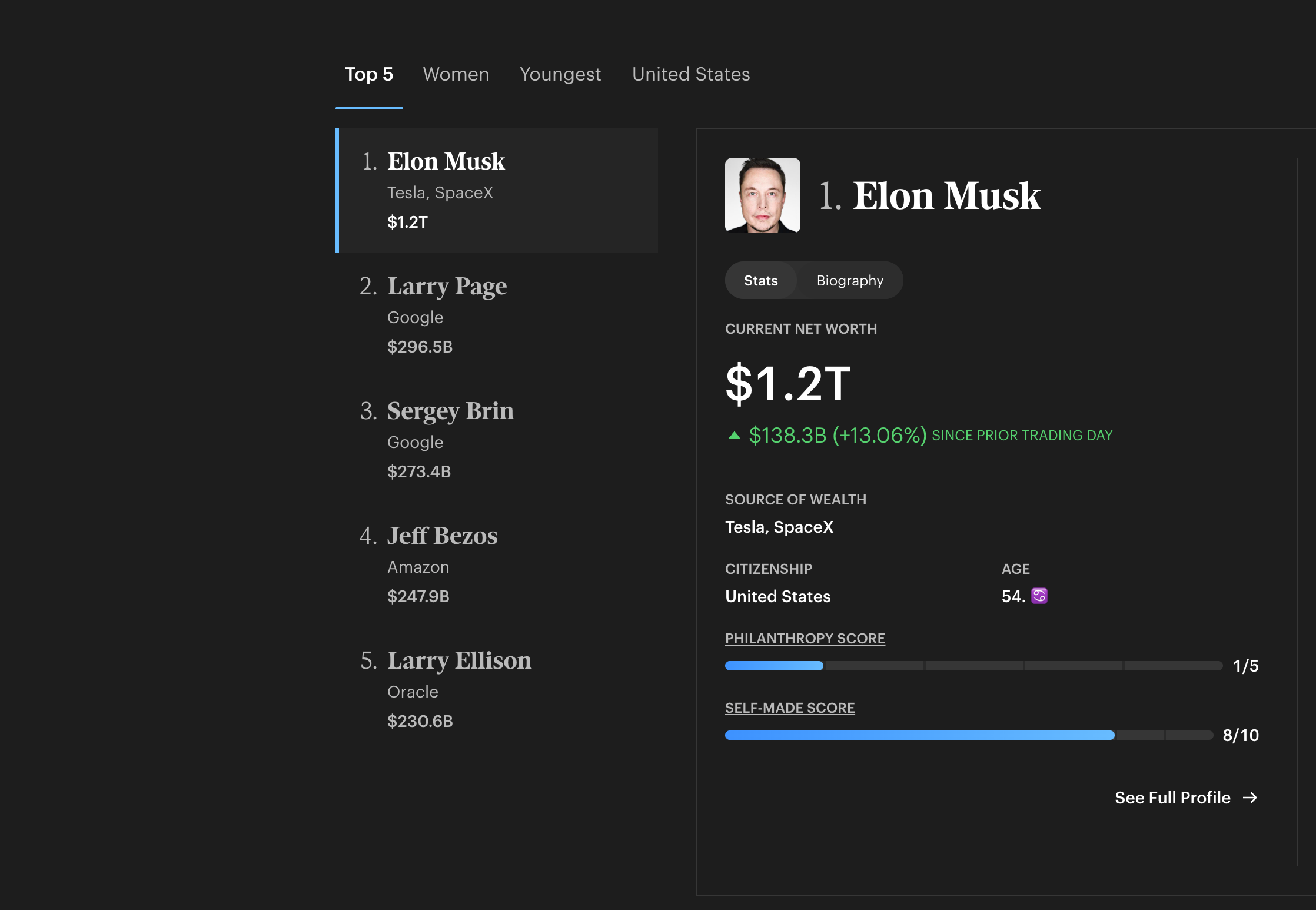
    In an era marked by rapid technological advancements and unprecedented wealth accumulation, the concept of a trillionaire has transitioned from science fiction to a tangible possibility. This article explores the journey of Elon Musk, a visionary entrepreneur, and delves into the factors that could propel him to become the world’s first trillionaire, with a particular focus on the potential initial public offering of SpaceX.

    Introduction to the First Trillionaire

    who is Elon Musk: in suit standing on a giant gold coin with a rocket silhouette in the sky.

    Who is Elon Musk?


    Elon Musk, a name synonymous with innovation and ambition, stands as one of the most prominent figures in the modern tech sector. This billionaire entrepreneur is the driving force behind several groundbreaking companies, making him a subject of immense public and financial interest. His extraordinary vision consistently pushes the boundaries of what is considered achievable.

    Company Primary Focus
    Tesla Revolutionizing electric vehicles
    SpaceX Transforming space exploration and internet connectivity (e.g., Starlink)


    The Journey to Becoming a Billionaire

    Musk’s journey to becoming a billionaire is a testament to his relentless pursuit of ambitious goals and his ability to identify and capitalize on long-term market trends. His early success with Zip2 and PayPal laid the foundation for his later, more ambitious ventures. These initial successes provided the capital and experience necessary for him to launch into the aerospace and automotive industries, accumulating a significant fortune and demonstrating an entrepreneurial spirit that continues to define his career and influence his net worth.

    Defining the Concept of a Trillionaire


    The concept of a trillionaire, an individual with a net worth exceeding 1 trillion units of currency, represents an unprecedented level of wealth accumulation. While figures like John D. Rockefeller were considered the wealthiest people of their time, the scale of a trillion-dollar fortune is a landmark in human history.

    Potential Trillionaire Predicted Timeline
    Elon Musk Potentially by 2025

    Experts predict that the rise of artificial intelligence and advancements in various tech sectors could enable an entrepreneur to reach this extraordinary status, underscoring the growing disparity and inequality in global wealth.


    Elon Musk’s IPO History

    A city skyline with a huge digital stock ticker showing rising numbers and a small shop in the foreground.

    Key IPOs in Musk’s Career


    Elon Musk’s entrepreneurial journey is punctuated by several significant initial public offerings that have profoundly shaped his wealth and influence. While not every venture under his guidance has gone public, certain IPOs have been monumental.

    Company Impact
    PayPal Later acquired, contributed to his early wealth.
    Tesla Allowed public investment in his vision, dramatically increasing his net worth and solidifying his status as a leading tech figure.

    These IPOs paved the way for future ambitious projects and further wealth accumulation.


    The Impact of IPOs on Wealth Accumulation

    Initial public offerings serve as critical inflection points for wealth accumulation, especially for visionary entrepreneurs like Elon Musk. By taking a company public, Musk has been able to unlock immense capital, which in turn fuels further innovation and expansion. The valuation achieved during these IPOs directly contributes to his personal fortune, pushing him closer to potentially becoming the first trillionaire. This process allows early investors and founders to realize substantial gains, significantly impacting their overall net worth and market influence.

    Comparing Musk’s IPOs to Other Billionaires

    When comparing Elon Musk’s IPO trajectory to other billionaires, a distinct pattern emerges. While figures like Bill Gates built their fortune through Microsoft’s unprecedented growth following its initial public offering, Musk’s portfolio is characterized by a series of high-risk, high-reward ventures across diverse sectors, from electric vehicles with Tesla to aerospace with SpaceX. This multi-sector approach, driven by a series of successful launches and potential future IPOs, sets his wealth accumulation strategy apart, making his path to becoming the world’s first trillionaire particularly unique.

    SpaceX and its Role in Wealth Creation

    Space X history, IPO, looking into the future

    The Founding of SpaceX

    SpaceX, founded by Elon Musk in 2002, emerged from his ambitious vision to revolutionize space exploration and make humanity a multi-planetary species. This entrepreneurial venture was born out of a desire to reduce the cost of space travel and enable long-term colonization of Mars. From its inception, SpaceX has been a testament to Musk’s relentless pursuit of extraordinary goals, contributing significantly to his burgeoning fortune and establishing the firm as a pivotal player in the aerospace sector.

    Significant Milestones in SpaceX’s Journey

    SpaceX’s journey has been marked by numerous significant milestones that underscore its technological prowess and ambitious mission. From becoming the first private company to launch, orbit, and recover a spacecraft, to successfully developing reusable rocket technology and deploying the Starlink satellite internet constellation, each achievement has propelled the firm’s valuation. These triumphs not only demonstrate the company’s innovative capabilities but also substantially contribute to Elon Musk’s net worth, making it a critical component of his potential path to becoming the world’s first trillionaire.

    SpaceX’s Contribution to Musk’s Net Worth

    SpaceX is widely regarded as a cornerstone of Elon Musk’s expanding fortune and a key factor in predictions of him becoming the first trillionaire. While the firm remains private, its extraordinary valuation in the private market directly impacts his net worth. Analysts estimate that a future initial public offering of SpaceX, particularly given the success of ventures like Starlink, could unleash an unprecedented wave of wealth, propelling Musk to trillionaire status and establishing him as one of the wealthiest people in history, perhaps as early as 2025.

    The Path to Becoming the First Trillionaire

    A small cafe owner looking through a shop window at a rocket lifting off over the city.

    Predictions for the Next 30 Years

    Over the next three decades, projections suggest that the global economic landscape will witness the rise of several first trillionaires, with Elon Musk frequently cited as a leading candidate. Advanced technologies, particularly in the AI and aerospace sectors, are expected to be the primary drivers of this unprecedented wealth accumulation. The continued expansion of companies like SpaceX and Tesla, alongside new ventures, could push Musk’s net worth to extraordinary levels, making him potentially the world’s first trillionaire well before 2050, solidifying his fortune.

    Warnings from Experts about Wealth Concentration

    Amidst predictions of individuals achieving trillionaire status, experts increasingly warn about the implications of such extreme wealth concentration. The potential for immense disparity and inequality to exacerbate societal issues is a significant concern. The accumulation of 1 trillion dollars by a single entrepreneur, even one as innovative as Elon Musk, could lead to calls for greater wealth redistribution and discussions on economic justice, as a few become extraordinarily wealthy while others struggle.

    The Role of AI in Shaping Future Economies

    Artificial intelligence is anticipated to play a transformative role in shaping future economies, potentially enabling the rise of the first trillionaires. AI’s capacity to revolutionize industries, automate processes, and generate unprecedented efficiencies will be a significant catalyst for wealth creation. Companies heavily invested in AI development, such as those founded by Elon Musk, stand to benefit immensely, with AI driving innovations that could elevate his net worth to the elusive trillion-dollar mark, making him the world’s first trillionaire.

    Conclusion: The Legacy of Elon Musk

    Legacy of Elon Musk, past, present, future

    Assessing the Impact of Musk’s Innovations

    Assessing the impact of Elon Musk’s innovations reveals a legacy that extends far beyond personal wealth accumulation, even as he approaches first trillionaire status. His ventures in electric vehicles with Tesla, space exploration with SpaceX, and internet connectivity with Starlink have fundamentally reshaped entire industries. These entrepreneurial endeavors have not only created immense fortune but have also inspired a generation to pursue ambitious, long-term goals, leaving an indelible mark on technology and society, regardless of his final net worth.

    Future Trillionaires and Economic Predictions

    Looking ahead, economic predictions suggest that Elon Musk may not be the only individual to achieve trillionaire status; a new class of future trillionaires is likely to emerge. The rapid pace of technological advancement, particularly in artificial intelligence and biotechnology, will create new opportunities for wealth creation on an unprecedented scale. While Musk may become the world’s first trillionaire, others will follow, further solidifying the trend of extreme wealth concentration among a select few in the global market.

    Reflecting on the Definition of Success

    Reflecting on the definition of success in the context of Elon Musk’s journey to potentially become the first trillionaire requires a holistic perspective. While his extraordinary net worth and the sheer scale of his fortune are undeniable indicators of financial success, his legacy also encompasses his contributions to innovation, sustainable energy, and humanity’s expansion into space. Ultimately, success for an entrepreneur like Musk is not solely measured in billions or even 1 trillion dollars, but in the enduring impact of his ambitious vision and ventures.

    First Trillionaire in History with Historic IP – Impact on Small Business Entrepreneurs

    When the world witnesses the emergence of the first trillionaire — an individual or entity whose wealth reaches one trillion dollars — backed by historic intellectual property (IP), the ripple effects across economies and entrepreneurial ecosystems will be profound. This article explores what historic IP means in this context, why a trillionaire status could be achieved through IP, and the direct and indirect impacts on small business entrepreneurs.

    What is “Historic IP” and How It Creates Massive Value

    “Historic IP” refers to intellectual property with deep, long-term cultural, technological, or institutional significance: foundational patents, universally adopted standards, legacy media franchises, or essential platform technologies. When such IP becomes central to global commerce — for example, a fundamental communication protocol, a platform-defining algorithm, or a media franchise with persistent global licensing — the owner can capture recurring revenue streams, licensing fees, and ecosystem control, enabling extraordinary accumulation of wealth.

    Pathways to a Trillionaire via Historic IP

    • Monopoly-style licensing: Charging platforms and industry players for essential tech or standards.
    • Platform ecosystems: Owning a platform with network effects that generates persistent transaction fees and data value.
    • Global media and cultural IP: Continuous monetization across generations via licensing, merchandising, and adaptation.
    • Cross-sector leverage: Using IP to enter finance, infrastructure, and services, multiplying revenue channels.

    Immediate Economic and Market Effects

    The rise of a trillionaire through historic IP can alter market dynamics quickly:

    • Concentration of bargaining power: IP owners can set terms for access, pricing, and interoperability.
    • Capital market shifts: Investors may favor businesses tied to the IP owner, affecting valuations and funding availability.
    • Regulatory attention: Antitrust scrutiny and calls for mandatory licensing or interoperability may increase.

    Impact on Small Business Entrepreneurs

    Small businesses will experience a mix of challenges and opportunities. Key impacts include:

    Challenges

    • Higher input costs: Licensing fees or platform fees can raise operational expenses for startups and small firms.
    • Access barriers: If the IP controls essential infrastructure or distribution channels, small players might face restricted market access.
    • Competitive imbalance: Large-scale promotional or subsidized services from the IP owner can outcompete small niche providers.

    Opportunities

    • New markets and products: Licensed IP can enable small businesses to build derivative products, services, or niche offerings.
    • Partnership and supplier roles: SMEs can become specialized suppliers, integrators, or service providers within the IP owner’s ecosystem.
    • Innovation incentives: Clear IP rules and paid licensing can fund R&D and create predictable revenue models for small entrepreneurs who innovate on top of the IP.

    Strategic Responses for Small Business Entrepreneurs

    Entrepreneurs can take several practical steps to navigate a landscape dominated by historic IP:

    • Diversify dependencies: Avoid single-source reliance on any platform or IP owner; design multi-channel sales and multiple technical integrations.
    • Negotiate smarter licensing: Pool resources with other small businesses to negotiate collective licensing terms or use federated approaches.
    • Focus on differentiation: Invest in specialized niches, customer experience, or localized offerings that large IP holders cannot efficiently replicate.
    • Leverage open standards and alternatives: Adopt open-source technologies and advocate for interoperable standards to reduce vendor lock-in.
    • Monitor regulation and policy: Engage with industry groups to influence fair-competition policies and access to essential IP.

    Policy and Ecosystem Considerations

    Policymakers and ecosystem stakeholders will play a crucial role in shaping outcomes. Key considerations:

    • Antitrust and competition law: Ensuring the IP owner does not abuse market dominance while preserving incentives for innovation.
    • Mandatory or FRAND licensing frameworks: Fair, reasonable, and non-discriminatory terms can prevent exclusionary practices.
    • Support programs for SMEs: Grants, legal aid, and access-to-market initiatives can help small businesses adapt and compete.
    • IP pools and collective licensing: Structures that allow smaller players affordable access to essential technologies.

    Long-term Outlook

    The arrival of a first trillionaire through historic IP will reshape the business landscape but will not eliminate opportunities for small entrepreneurs. History shows that concentrated power often spurs new innovation, regulatory responses, and alternative ecosystems. Small businesses that stay agile, build complementary value, and engage in collective action can still thrive.

    Summary: The first trillionaire’s control of historic IP will present both risks and openings for small business entrepreneurs. Strategic diversification, collective bargaining, niche specialization, and policy engagement are practical ways for entrepreneurs to respond and capitalize on changes in the market.
  • Ferrari Luce: Did Electric Power Kill the Prancing Horse Myth?

    Ferrari Luce: Did Electric Power Kill the Prancing Horse Myth?

    When Ferrari unveiled the Luce, its first 100% electric vehicle, the automotive world expected celebration. Instead, the brand received mass mockery, a plunging stock price, and a scathing rebuke from its own former CEO. What went wrong at one of the world’s most iconic luxury brands?

    The Unveiling That Shocked Ferrari Fans

    In late May 2026, Ferrari revealed the Luce in Rome—a sleek electric sedan designed with input from Apple’s former design chief Jony Ive. The collaboration was supposed to signal Ferrari’s bold entry into the EV era. Instead, it triggered one of the brand’s most controversial moments in recent history.

    The design polarized almost immediately. Automotive analysts called it “unrecognizable,” influencers mocked its minimalist aesthetic, and Ferrari fans took to social media to express genuine disappointment. The car was described as “looking like a meme” before it even hit showrooms.


    The Market Punished Ferrari Immediately

    The stock market doesn’t lie. Within hours of the Luce’s design reveal, Ferrari shares fell over 7–8%, marking one of the steepest single-day drops in years.

    This wasn’t just investor nervousness—it was a voting with wallets moment. Investors feared the Luce represented brand dilution, similar to Jaguar’s failed rebrand attempt. The message was clear: Ferrari’s core value lies in its heritage, not in becoming just another luxury EV manufacturer.


    Social Media Roasted the Luce

    The backlash went viral within hours. X (formerly Twitter) filled with memes mocking the Luce’s design, including comparisons to budget sedans and joke captions about the “prancing horse” now being “tired and electric.”

    The speed and intensity of the mockery demonstrated a critical reality: Ferrari’s brand perception is fragile in the digital age. When millions can instantly share criticism, a brand’s reputation can shift overnight.


    Luca di Montezemolo’s Unprecedented Rebuke

    The most damaging blow came from an unlikely source: Luca di Montezemolo, Ferrari’s former CEO (1991–2014) and the man who led the brand to 19 F1 world titles. He rarely speaks publicly, yet he issued a rare, scathing critique:

    “We risk destroying a legend, and I’m truly sorry about that.”

    Montezemolo’s criticism went further:

    His Statement What It Means
    “I hope they at least remove the prancing horse from that car” An EV doesn’t deserve Ferrari’s iconic emblem
    “The problem is mythic, not just technical” EVs lack combustion engine sound and emotional heritage
    “[Luce] is certainly a car that at least the Chinese won’t copy” The car is uncompetitive and lacks true innovation

    His core argument cuts to Ferrari’s identity crisis: Ferrari sells history, exclusivity, and passion tied to combustion engines—not just transportation.


    Why the Luce Backfired: 7 Key Reasons

    1. Brand Identity Crisis

    Ferrari’s core fans value engine sound, emotion, and heritage. An electric powertrain eliminates the V12 roar that defines the Ferrari experience. The Luce risks alienating the very people who keep the brand exclusive.

    2. Design Clash with Tradition

    Jony Ive’s minimalist Apple aesthetic clashed dramatically with Ferrari’s traditional bold, aggressive styling. Fans expected a sporty EV with Ferrari DNA, not a sleek, understated sedan that looks unlike any Ferrari before it.

    3. Investor Fear of Brand Dilution

    The 7–8% stock drop reflects investor anxiety that Ferrari is sacrificing exclusivity for volume. Luxury EV markets are saturated, and Ferrari’s premium positioning is at risk.

    4. Unprecedented Former CEO Criticism

    Montezemolo has never publicly criticized Ferrari during his legendary tenure. His rebuke signals internal concern that the Luce threatens the brand’s foundation.

    5. Social Media Amplification

    Memes and viral mockery accelerated the backlash beyond automotive circles. Negative sentiment spread to mainstream audiences, damaging Ferrari’s aspirational image.

    6. Strategic Misjudgment

    Ferrari must balance stricter EU emissions regulations with maintaining luxury/exclusivity. The Luce appears to have misjudged this balance, prioritizing compliance over brand soul.

    7. Industry-Wide Warning

    Luxury EV transitions are risky—Jaguar’s rebrand failed, and Porsche faces similar skepticism. Ferrari’s myth is more fragile than mass-market brands because its value is emotional, not functional.


    The Bigger Picture: Can Ferrari Survive Electrification?

    The Luce controversy exposes a fundamental question: Can a brand built on combustion engine passion survive as an EV manufacturer?

    Ferrari isn’t alone. Porsche, Aston Martin, and Lamborghini all face similar pressures. But Ferrari’s situation is unique because its identity is more deeply tied to engine sound and racing heritage than any other luxury brand.

    Montezemolo’s warning suggests the answer may be no—not without sacrificing what makes Ferrari special.

  • Whole‑Person Wellness in 2026: How to Balance Mind, Body, and Lifestyle (Not Just Weight)

    Whole‑Person Wellness in 2026: How to Balance Mind, Body, and Lifestyle (Not Just Weight)

    If your New Year plans still revolve around “losing 10 pounds” or “getting abs by summer,” you’re running on an old playbook. In 2026, wellness isn’t about punishing workouts or extreme diets—it’s about treating your health as a full‑time job for your whole self.

    That means no more siloing sleep, movement, nutrition, and mental health into separate projects. Instead, people are designing coherent routines where when one area improves, everything else follows. Imagine going to bed with less brain fog, waking up with clearer focus at work, and feeling calm enough to actually stick with healthy habits for months, not days.

    This is whole‑person wellness: the art of balancing your body, mind, and lifestyle so you feel steady, resilient, and genuinely energized—not just smaller or “fitter.”


    What “Whole‑Person Wellness” Really Means

    Whole‑person wellness is the idea that you’re not a sum of separate parts (a “body,” a “mind,” a “job”), but an interconnected system. How you sleep affects what you eat. How much you move influences your mood. How you handle stress shows up in your blood pressure, digestion, and even your immune system.

    In 2026, doctors and wellness experts talk less about “weight loss” and more about sustainable health markers:

    • Consistent, restful sleep.

    • Daily movement that feels good, not punishing.

    • Stable energy and mood.

    • Reduced inflammation, better digestion, and lower stress.

    Treating all four pillars together—sleep, movement, nutrition, and emotional health—creates a feedback loop where small wins compound instead of cancel each other out.


    The Four Pillars of Whole‑Person Wellness

    To make this practical, think of wellness as a four‑legged table. If one leg is weak, the whole thing wobbles.

    1. Sleep & Circadian Rhythm

    Sleep isn’t downtime—it’s your body’s repair and reset button. In 2026, more people are aligning their sleep with circadian rhythms instead of Netflix marathons.

    Key habits:

    • A consistent sleep–wake time, even on weekends.

    • Reducing bright screens and blue light in the last 60–90 minutes before bed.

    • Creating a simple wind‑down ritual: reading, light stretching, or gentle music.

    When sleep improves, cravings, irritability, and brain fog usually drop together.

    2. Movement & Daily Activity

    Movement in 2026 is less about “burning calories” and more about feeling alive in your body.

    Approach:

    • Mix structured workouts (strength, cardio, classes) with “lifestyle movement”: walking, standing, stretching, stair‑climbing.

    • Aim for 150 minutes of moderate activity per week, but allow for “good enough” weeks.

    Even a 10‑minute walk after lunch can boost mood, digestion, and focus for the rest of the day.

    3. Nutrition & Gut Health

    Nutrition has shifted from “diet culture” toward gut‑friendly, sustainable eating. Instead of cutting everything out, people focus on adding fiber, water, and variety.

    Foundational habits:

    • Fill half your plate with vegetables or fruit.

    • Eat more whole grains, beans, nuts, and seeds for fiber.

    • Limit ultra‑processed foods, sugary drinks, and excessive alcohol.

    Better gut health often comes with steadier energy, fewer cravings, and better sleep.

    4. Mental & Emotional Health

    Wellness now includes your nervous system as a core pillar. Chronic stress, anxiety, and burnout are treated as health risks on par with smoking or high cholesterol.

    Building blocks:

    • Daily stress‑reduction practices: 5 minutes of breathing, journaling, or meditation.

    • “Emotional check‑ins” (not “positive vibes only”) to notice anxiety, frustration, or overwhelm.

    • Boundaries with work, social media, and people‑pleasing.

    When your mind feels safer, your body tends to relax too—less tight shoulders, better sleep, and fewer emotional eating binges.


    The Weekly Habit Audit: Your Personal Wellness Dashboard

    One of the most powerful tools in 2026 isn’t a fancy app; it’s the weekly habit audit. This is a simple way to see how your four pillars are actually going, instead of guessing.

    You can do this on paper, in a notebook, or a simple spreadsheet. Track for one week:

    • Sleep

      • Bedtime and wake‑up time.

      • How restful you feel (subjective: 1–10).

    • Movement

      • Minutes of intentional activity.

      • Type (walk, gym, yoga, dance, etc.).

    • Food

      • General patterns, not calories:

        • Did you eat regularly, or skip meals?

        • High in veggies and fiber, or mostly processed?

    • Mood & Stress

      • Rate your overall mood and stress daily (1–10).

      • Add a one‑sentence note: “Workfire,” “kids’ game,” “great sleep last night,” etc.

    At the end of the week, look for imbalances.

    • Example: You’re moving a lot but sleeping poorly.

    • Example: You’re eating well but feeling constantly anxious.

    This audit helps you spot which pillar needs a gentle nudge, not a dramatic overhaul.


    Morning & Evening Anchor Routines

    Trying to change everything at once is a recipe for burnout. Instead, 2026 wellness focuses on anchor routines: simple, repeatable blocks of habits that bookend your day and touch 2–3 pillars at once.

    Morning Anchor Ideas

    Pick one or two of these:

    • Walk + Journal

      • 10‑minute walk outside (movement, sunlight, mood).

      • 5 minutes of journaling or gratitude (mental health).

    • Hydration + Stretching

      • 1–2 glasses of water or herbal tea.

      • 5 minutes of light stretching or yoga.

    • Breathing + Intention

      • 3–5 minutes of deep breathing or a short meditation.

      • 1 sentence plan for the day (“I’ll stay hydrated today”).

    Evening anchors are just as important:

    • Screen‑Curfew Routine

      • Put devices away 60–90 minutes before bed.

      • Read a book, do light stretching, or practice 5 minutes of breathwork.

    • Reflection + Relaxation

      • 5‑minute journaling or mood check‑in.

      • 5 minutes of gentle stretching or foam rolling.

    These anchors create a rhythm that makes healthy habits feel automatic, not like a chore.


    How One Pillar Affects All the Others

    To understand why whole‑person wellness works, look at how the pillars are wired together:

    • Poor sleep → worse food choices → lower mood → less motivation to move.
      When you’re exhausted, you’re more likely to grab fast food, skip the gym, and scroll stress‑ing apps instead of winding down.

    • High stress → poor sleep → worse digestion → more fatigue.
      Chronic stress tightens your gut, your breathing, and your shoulders. It can make you feel hungry at odd times, even when you’re not eating less.

    • Daily movement → better sleep → better mood → better cravings.
      Regular movement helps your body burn off stress hormones, improves sleep quality, and often makes you naturally crave more nourishing foods.

    In your article, you can illustrate this with a mini‑story:

    “Sarah tried intermittent fasting for months but kept crashing by 3 p.m. Only when she prioritized sleep, added a 10‑minute walk, and reduced late‑night scrolling did her energy stabilize—then the fasting became easier to maintain.”


    Designing Your Personal Whole‑Person Routine

    Here’s a simple framework you can teach readers:

    1. Choose 1–2 focus areas for the next 4–6 weeks

      • Example: “Better sleep + more daily movement.”

      • Or: “Less ultra‑processed food + 5 minutes of stress‑relief per day.”

    2. Pick 3–4 micro‑habits that support those areas

      • Micro‑habits are tiny actions that barely feel like effort:

        • “Drink one glass of water when I wake up.”

        • “Take a 10‑minute walk after lunch.”

        • “Write down one thing I’m grateful for before bed.”

    3. Stack them onto existing behaviors (habit stacking)

      • “After I brush my teeth, I’ll do 10 push‑ups or 1 minute of stretching.”

      • “After I sit down for lunch, I’ll walk outside for 10 minutes before eating.”

    4. Check in weekly with your habit audit

      • If a habit feels miserable after two weeks, change it or remove it.

      • If something feels easy and you want more, you can add one more micro‑habit.

    The goal isn’t perfection; it’s consistency. Someone who walks 10 minutes most days will get better long‑term results than someone who does an intense workout once a week and then quits.


    Troubleshooting: What to Drop, What to Simplify

    Whole‑person wellness only works if it feels sustainable. Here’s how to avoid burnout:

    • Drop overly complicated trackers.
      You don’t need to log every bite and every step. One simple habit‑tracking method (like a weekly checklist) is usually enough.

    • Let go of “all or nothing.”
      Missing a day doesn’t erase your progress. In 2026, the best habits are flexible:

      • Can’t do a 30‑minute workout? Do 7 minutes.

      • Can’t cook a fancy meal? Open a can of beans and add frozen veggies.

    • If it feels like punishment, change it.
      If you dread journaling, try voice notes or a simple mood scale. If you hate running, try walking, dancing, or swimming. The habit should serve you, not shame you.


    Final Thoughts: Wellness Is a Skill, Not a Finish Line

    In 2026, whole‑person wellness is less about a six‑week transformation and more about building a lifelong skill set:

    • How to listen to your body.

    • How to adjust when work, parenting, or life throws you off.

    • How to keep experimenting until you find what makes you feel steady and alive.

    Instead of chasing a single outcome (weight, abs, or “perfect” productivity), whole‑person wellness helps you build a routine where better sleep, more movement, healthier food, and emotional balance reinforce each other every day.

    If you wanted to wrap this with a short call‑to‑action, you could invite readers to:

    • Pick one micro‑habit from the four pillars this week.

    • Try the 7‑day habit audit and share their insights in the comments.

  • Mental Health & “Neurowellness” Over Brute Optimization: How to Recover Your Nervous System in 2026

    Mental Health & “Neurowellness” Over Brute Optimization: How to Recover Your Nervous System in 2026

    For years, the dominant story in health and productivity was simple:
    Optimize harder, push further, track everything, and be more.


    From 5‑a.m. workouts and extreme fasting to laser‑focused “deep work” and endless biohacking, the message was clear: if you wanted to thrive, you had to maximize your output. But in 2025–2026, a quieter, more humane counter‑movement is emerging: neurowellness—the practice of training your nervous system to recover, regulate, and sustain energy, instead of simply burning through it.

    Neurowellness flips the script: it’s not about being “more optimized,” but about being more regulated. For busy professionals, remote workers, parents, and creatives, this shift offers a way to protect mental health, reduce burnout, and still perform well—without sacrificing your sanity to the altar of “hustle.”


    Why the pendulum is swinging from optimization to regulation

    The “brute‑optimization” era promised efficiency, peak performance, and superhuman health. But for many, the result has been chronic nervous‑system strain:

    • Always feeling wired but tired.

    • Never fully present in the moment, forever planning the next thing.

    • Crippling anxiety, brain fog, and emotional fatigue masked as “being busy.”

    Research and lived experience now show that chronic stress, over‑stimulation, and constant tracking can be just as harmful as under‑exercise or bad diet. As burnout rates, anxiety diagnoses, and “quiet quitting” trends rise, people are starting to realize they need a different approach—one that values recovery and regulation as much as productivity.

    Enter neurowellness: a framework that treats mental health as nervous‑system health, and prioritizes soft skills, low‑stimulation recovery, and intentional rest over brute‑force optimization.


    What “neurowellness” means in daily life

    Neurowellness is not a fancy new wellness trend. It’s a practical, everyday mindset that recognizes:

    • Your nervous system can be in “fight‑or‑flight,” “rest‑and‑digest,” or “freeze/shutdown.”

    • Your mental health, focus, and emotional resilience depend on how often you access “rest‑and‑digest.”

    • When you’re stuck in constant “on” mode, your brain and body wear down, even if you “look fine” from the outside.

    In practice, neurowellness looks like:

    • Noticing when you’re overwhelmed and giving yourself permission to slow down.

    • Choosing recovery‑oriented habits (breathwork, walks, journaling) instead of “one more productive task.”

    • Treating anxiety, irritability, and emotional reactivity as signals from your nervous system, not personal failures.

    By reframing mental health as nervous‑system health, you shift from “I’m not trying hard enough” to “My nervous system is overloaded, and I need to help it reset.”


    From “brute optimization” to “soft skills” that heal the nervous system

    The hallmark of brute optimization is domination: over your body, your schedule, and your emotions.
    Neurowellness, in contrast, is about integration, not domination—it’s about using “soft skills” to gently guide your nervous system back to balance.

    Some of the most powerful tools are the ones that seem “too simple” to be effective:

    • Breathwork: Slow, deep breathing signals safety to the brain, lowers heart rate, and helps you move from “fight‑or‑flight” to “rest‑and‑digest.”

    • Meditation and mindfulness: Short, daily sessions (even 2–5 minutes) reduce mental chatter, improve emotional regulation, and increase focus.

    • Body scans and grounding: Noticing your body, your breath, and your environment helps you disengage from mental loops and stay present.

    The key insight: these aren’t “extras” or “nice‑to‑haves.” They’re core skills for a healthy nervous system and a resilient mind.


    Simple neurowellness practices you can start today

    You don’t need to become a monk or meditate for hours to benefit from neurowellness. In fact, the most effective practices are the ones that fit into your existing routine:

    • The 4‑4‑6 breathing exercise:

      • Inhale for 4 seconds.

      • Hold for 4 seconds.

      • Exhale for 6 seconds.

      • Repeat for 2–5 minutes when you feel overwhelmed, before a meeting, or after work.

    • A “mental pause” before checking your phone:

      • When you reach for your phone, take a 10‑second pause.

      • Ask yourself: “Am I tired, anxious, or bored? Do I really need to scroll, or can I take a breath instead?”

      • Over time, this small pause can reduce the reflex to doom‑scroll and calm your nervous system.

    • Grounding through the senses:

      • Pick 5 things you can see, 4 you can touch, 3 you can hear, 2 you can smell, and 1 you can taste.

      • This exercise brings you back into your body and out of the mental spiral.

    These “soft skills” are low‑effort, high‑impact ways to train your nervous system to regulate itself.


    Digital‑detox rituals and low‑stimulation recovery

    In the age of notifications, algorithms, and endless content, your nervous system is under constant assault.
    Every ping, autoplay, and scroll is a tiny jolt that keeps you on edge. Over time, this leads to nervous‑system exhaustion—a state where you feel both wired and drained.

    Neurowellness responds with digital‑detox rituals and low‑stimulation recovery:

    • Screen‑free windows:

      • Create non‑negotiable “screen‑free” times in your day (e.g., first 30 minutes awake, last 30 minutes before bed).

      • During these windows, engage in low‑stimulation activities: reading, journaling, stretching, walking, or simply sitting in silence.

    • Notification curation:

      • Turn off non‑critical notifications on your phone and computer.

      • Keep only the alerts that truly matter (e.g., calls from family, important work messages).

    • Intentional scrolling:

      • Schedule short, intentional social‑media or news sessions instead of endless scrolling.

      • Use a timer: 10–15 minutes, then stop.

    Low‑stimulation doesn’t mean boring. It means intentional, nourishing, and restorative input that lets your nervous system breathe.


    Recognizing and countering nervous‑system exhaustion

    Nervous‑system exhaustion often masquerades as “I’m just busy.” But it has tell‑tale signs:

    • Feeling “wired but tired.”

    • Emotional reactivity (snapping at people, feeling irritable or numb).

    • Brain fog, difficulty concentrating, or procrastination.

    • Craving quick dopamine hits (scrolling, sugar, doom‑watching, binge‑watching).

    To counter this, you need to listen to the signals and respond with compassion:

    • Practice a daily “nervous‑system check‑in”:

      • Ask yourself: “How am I feeling right now: overwhelmed, numb, or calm?”

      • Rate your energy on a scale of 1–10.

    • Respond with micro‑pauses:

      • If you’re overwhelmed, take a 5‑minute breathing break instead of pushing through.

      • If you’re bored or restless, take a short walk or do some gentle stretching.

    • Prioritize rest as a non‑negotiable:

      • Schedule short breaks throughout the day (5–10 minutes every 60–90 minutes).

      • Protect your sleep and winding‑down time.

    When you treat nervous‑system exhaustion as a legitimate state—not a weakness—you create space for recovery and resilience.


    From “always on” to “always regulating”

    Brute optimization values the “always on” mentality:

    • You’re productive, efficient, and busy all the time.

    • Any downtime feels like wasted time.

    Neurowellness, in contrast, values “always regulating”:

    • You’re not just productive, you’re able to recover between tasks.

    • You understand that quality of attention matters more than sheer quantity of hours.

    • You prioritize intervals of rest, reflection, and low‑stimulation input.

    This shift means:

    • Weaving micro‑pauses into your day (e.g., a 2‑minute breathwork session between meetings, a short walk after work).

    • Replacing “I’ll rest when I’m done” with “I’ll rest while I’m doing this.”

    • Measuring success by sustainable energy, mental clarity, and emotional resilience, not just output.


    A simple neurowellness starter pack for your week

    If you’re ready to embrace neurowellness over brute optimization, start with a simple “starter pack” of habits you can build into your week:

    1. One daily breathwork session:

      • 2–5 minutes of slow, deep breathing (e.g., the 4‑4‑6 technique).

      • Tie it to an existing habit (after brushing your teeth, before bed, or after work).

    2. One “screen‑curfew” rule:

      • No phone in bed.

      • No scrolling first thing in the morning.

      • Use this time for low‑stimulation activities like reading, stretching, or journaling.

    3. One “low‑stimulation” activity:

      • A daily walk, a short meditation, or a quiet cup of tea.

      • Make it something that feels restful, not like another task.

    4. A weekly “nervous‑system review”:

      • At the end of the week, ask: “How did my nervous system feel most days: regulated, exhausted, or overwhelmed?”

      • Adjust your habits based on the answer.

    These small changes can have a big impact on your mental health and overall well‑being.


    Final thought: Neurowellness as a form of self‑respect

    In a world that still glorifies “hustle,” neurowellness is an act of self‑respect. It’s a declaration that your nervous system matters as much as your productivity, that your mental health is as important as your output, and that rest is not a luxury but a necessity.

    For entrepreneurs, freelancers, parents, and everyone in between, neurowellness offers a way to thrive without burning out—to work, create, and connect in a way that feels sustainable, not destructive. By shifting from “brute optimization” to gentle regulation, you reclaim your mental health and reclaim your life.

  • How Successful Entrepreneurs Protect Their Time

    How Successful Entrepreneurs Protect Their Time

    How Successful Entrepreneurs Protect Their Time

    Last week, we talked about how successful entrepreneurs structure their day.

    But structure alone isn’t enough.

    Because even the best plan can fall apart if your time isn’t protected.

    The Real Challenge Isn’t Planning — It’s Protection

    Most business owners start the day with good intentions:

    • A clear plan
    • Defined priorities
    • Focused goals

    But then reality happens:

    • Emails start coming in
    • Calls interrupt your workflow
    • Team members need support
    • Unexpected issues arise

    Before you know it, your day becomes reactive instead of productive.

    Successful Entrepreneurs Think Differently About Time

    Top-performing entrepreneurs understand one key principle:

    👉 If you don’t protect your time, someone else will take it.

    They don’t just manage time—they defend it.

    1️⃣ They Set Boundaries Around Their Focus Time

    Entrepreneurs who produce meaningful results create clear boundaries around their most important work.

    This might include:

    • Blocking off “no meeting” time
    • Turning off notifications during deep work
    • Letting teams know when they are unavailable

    They treat focus time as non-negotiable.

    2️⃣ They Don’t Respond to Everything Immediately

    Many business owners fall into the trap of constant responsiveness.

    Checking every email.
    Replying to every message instantly.
    Answering every interruption.

    Successful entrepreneurs do the opposite.

    They batch communication into specific time blocks—so they stay responsive without losing focus.

    3️⃣ They Learn to Say No

    One of the most powerful skills in business is the ability to say no.

    Not every:

    • Meeting
    • Opportunity
    • Request
    • Idea

    deserves your time.

    Successful entrepreneurs filter decisions through one question:

    👉 “Does this move the business forward?”

    If not, it doesn’t get priority.

    4️⃣ They Delegate and Automate

    Trying to do everything yourself is one of the fastest ways to lose control of your time.

    High-level entrepreneurs:

    • Delegate operational tasks
    • Use automation for repetitive work
    • Build systems that reduce manual effort

    This frees up time for:

    • Strategy
    • Growth
    • Leadership

    5️⃣ They Focus on High-Value Work

    Not all work is equal.

    Successful entrepreneurs prioritize activities that have the biggest impact, such as:

    • Revenue-generating actions
    • Strategic planning
    • Relationship building
    • Decision-making

    They avoid getting stuck in low-value tasks that don’t move the business forward.

    The Difference Between Busy and Productive

    Many business owners are busy all day.

    But being busy doesn’t mean you’re making progress.

    The difference comes down to control:

    • Busy = reactive
    • Productive = intentional

    Final Thought

    Structuring your day gives you direction.

    Protecting your time gives you results.

    The entrepreneurs who grow the fastest aren’t the ones who work the most hours—they’re the ones who focus on the right work and protect the time needed to do it well.