Category: Events

  • Colombia’s 7.4 Earthquake: What We Know About Regional Seismic Activity

    Colombia’s 7.4 Earthquake: What We Know About Regional Seismic Activity

    A powerful magnitude 7.4 earthquake struck western Colombia on Monday, August 10, 2026, causing severe damage and being felt across parts of Colombia, Ecuador, Panama, and Venezuela. The event has renewed concerns that the recent earthquakes in Colombia and Venezuela could be connected to a larger regional seismic pattern.


    The evidence supports a more cautious conclusion: the region is seismically active, but there is no scientific basis for claiming that a larger earthquake is imminent or that the recent events form a predictable sequence across the entire region.

    What happened in Colombia

    The earthquake occurred at approximately 7:34 a.m. local time near San José del Palmar in the department of Chocó, in western Colombia. Reports from the U.S. Geological Survey and Colombian authorities placed the epicenter roughly 400 kilometers west of Bogotá, with the shaking felt in the capital and numerous other cities.apnews+1

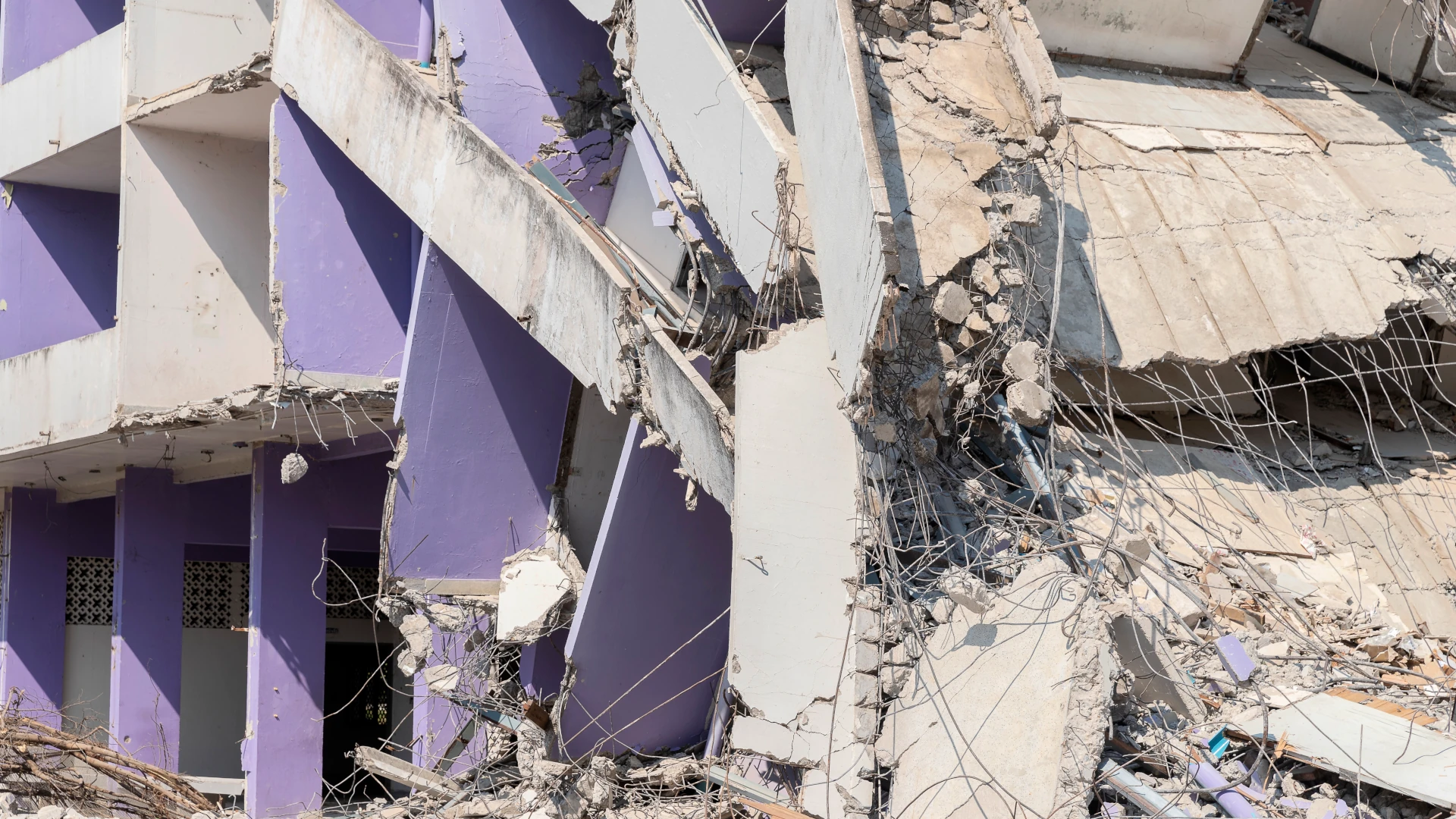
    The earthquake caused extensive damage in parts of western Colombia. Buildings collapsed, people were trapped, and emergency teams began search-and-rescue operations. Because the situation remains active, casualty and damage figures have changed as authorities continue assessments.

    The tremor was also felt in neighboring Ecuador, Panama, and Venezuela. This does not necessarily mean that those countries experienced separate earthquakes. A strong earthquake can produce seismic waves that travel over a wide area, allowing people far from the epicenter to feel the movement.apnews+1

    Reports also indicate that the Colombian earthquake was followed by multiple smaller earthquakes, known as aftershocks. The Colombian Geological Service recorded 21 aftershocks within the first period after the main event, while later reports indicated that the number had increased substantially as monitoring continued.reuters+1

    What about the earlier Venezuela earthquakes?

    On June 24, 2026, Colombia’s National Seismological Network recorded a magnitude 7.0 earthquake with an epicenter in Venezuela. The event occurred at a relatively shallow depth, and people in several areas reported feeling the shaking.www2.sgc.gov

    The U.S. Geological Survey also recorded a magnitude 7.2 earthquake near San Felipe, Venezuela, on the same date. These events affected a region that includes active fault systems associated with the interaction of the Caribbean and South American tectonic plates.earthquake.usgs

    The fact that significant earthquakes occurred in Venezuela in June and Colombia in August has led some observers to suggest that the events are part of one larger sequence. However, proximity in time does not prove that one earthquake caused the other.

    Earthquakes occur because stress accumulates and is released along faults. A large earthquake can alter stress in nearby areas, but determining whether that change is enough to trigger another significant earthquake requires detailed geological and seismic analysis. It is not responsible to assume that every earthquake in the region is directly linked.

    Could more earthquakes occur?

    Yes, additional tremors are possible—especially near the Colombian earthquake’s rupture zone. These smaller events are called aftershocks and are a normal part of how the Earth adjusts after a major earthquake.

    Aftershocks are generally more frequent immediately after the main event and tend to decrease over time. However, they can continue for days, weeks, months, or longer. They may also affect buildings that were already weakened by the main earthquake.earthquake.usgs+1

    The Colombian Geological Service has warned that additional tremors may occur, but it has also emphasized that scientists cannot determine the exact time, location, or magnitude of the next earthquake.reuters+1

    That distinction is essential. Scientists can estimate probabilities and monitor seismic activity, but they cannot provide reliable predictions such as “another major earthquake will occur tonight” or “a specific city will be hit next.”

    Is this part of something bigger?

    Colombia, Venezuela, Ecuador, and Panama are located in a region with several active tectonic structures. The interaction of the Caribbean, South American, Nazca, and other tectonic plates contributes to earthquake risk across northern South America and the Caribbean region.yahoo

    This geological reality explains why earthquakes are not unusual in the area. It does not, however, establish that the recent events are the beginning of a continent-wide earthquake sequence.

    Research on earthquake triggering shows that large earthquakes can sometimes produce temporary changes in seismic activity at distant locations. Nevertheless, most aftershocks occur near the original earthquake, and evidence that one major earthquake reliably triggers another large earthquake far away is limited.pubs.usgs

    The scientifically supported message is therefore one of elevated awareness, not prediction. Communities near the Colombian epicenter should remain prepared for aftershocks, but residents in other countries should not interpret every felt tremor or online warning as evidence that a larger disaster is approaching.

    What residents should do

    People in affected areas should follow instructions from the Servicio Geológico Colombiano, the Unidad Nacional para la Gestión del Riesgo de Desastres, local authorities, and emergency services.

    Practical steps include:

    • Stay away from visibly damaged buildings.

    • Expect additional shaking and avoid re-entering unsafe structures.

    • Check on family members, neighbors, and vulnerable people.

    • Keep emergency supplies, water, medicines, identification, and a flashlight accessible.

    • Secure heavy objects that could fall during another tremor.

    • Use official channels rather than forwarding unverified social-media messages.

    • Report emergencies through local authorities.

    The recent earthquakes in Colombia and Venezuela demonstrate that the region faces a real and continuing seismic hazard. They do not prove that a larger earthquake is coming or that the entire continent is entering a predictable seismic cycle.

  • The Legacy and Future of Global Sports Post-Olympics

    As the Olympic flame was extinguished, it left behind not just memories of incredible athletic feats but also significant shifts in how we perceive and engage with sports on a global scale. This year’s Games were unlike any other, shaped by unprecedented circumstances, innovative changes, and emerging conversations that will have lasting effects on the world of sports.

    Reflecting on a Unique Olympics

    The most recent Olympics were marked by several key themes that set them apart:

    1. Mental Health in the Spotlight: The Tokyo Olympics saw a paradigm shift in how mental health is approached in elite sports. Athletes such as Simone Biles took courageous stands by prioritizing their well-being over competition. This bold move has sparked global discussions, challenging the traditional “win-at-all-costs” mentality and paving the way for a more holistic approach to athlete care. Mental health is now recognized as integral to an athlete’s overall performance and longevity, influencing sports organizations worldwide to invest more in psychological support.

    2. A Push for Inclusivity and Representation: The Games were also a milestone for diversity and inclusivity. Athletes from various backgrounds, genders, and identities broke barriers, making the Olympics a more representative global stage. From the first openly transgender athlete to compete, to the unprecedented number of women participating, these Games set new standards for inclusivity in sports. This progress is expected to ripple through other sporting events and organizations, promoting broader representation and equity in sports.

    3. The Role of Technology: Technology played an essential role in adapting the Olympics to the challenges posed by the pandemic. With limited or no live spectators, innovations like virtual fan experiences and enhanced broadcasting techniques brought the excitement of the Games to millions around the world. Additionally, technology has become a critical tool in training and performance analysis, giving athletes and coaches new ways to optimize preparation and execution. These technological advancements are likely to become permanent fixtures in how sports are conducted and consumed.

    What Lies Ahead for Global Sports

    The post-Olympic period is a time for reflection but also for looking ahead. The lessons learned and trends set during the Games will shape the future of global sports in significant ways:

    1. Continued Focus on Athlete Well-Being: With mental health now a key focus, sports organizations are expected to implement more comprehensive support systems. This shift might lead to changes in competition schedules, training regimens, and the overall culture of sports, making athlete welfare a top priority.

    2. Greater Emphasis on Equity: The push for inclusivity seen at the Olympics will likely inspire other sports to adopt similar approaches. Governing bodies may revise their policies to ensure that sports are more accessible and equitable, encouraging participation from underrepresented groups.

    3. Integration of Advanced Technologies: As technology continues to evolve, its integration into sports will deepen. From AI-driven performance analytics to virtual reality training environments, the future of sports will be increasingly digital, offering new ways to enhance athletic performance and fan engagement.

    The Role of Business in the Evolving Sports Landscape

    As the sports world evolves, so too does the business landscape surrounding it. Companies that align themselves with these changes stand to benefit from new opportunities. This is where businesses like NEVTIS Communications come into play. Although not directly involved in sports, NEVTIS is an example of how companies can leverage emerging trends and technology to enhance their offerings and stay relevant.

    NEVTIS Communications: Embracing Innovation

    NEVTIS Communications, a leader in VoIP, UCaaS, and internet services, exemplifies how businesses can adapt to and benefit from the digital transformations affecting all sectors, including sports. As communication needs grow more complex, especially with the rise of remote work and virtual events, NEVTIS provides the infrastructure necessary to support seamless, reliable connectivity. Just as technology is enhancing sports, NEVTIS is enhancing business communication, making it more efficient and adaptable to the demands of a modern, fast-paced world.

    For more information about NEVTIS Communications and how they are leading in technological innovation, visit their website and explore the NEVTIS Opportunity. Connect with them on LinkedIn, Facebook, and Instagram.

    Conclusion

    The conclusion of the Olympics marks the beginning of a new era in sports. The changes observed—from the emphasis on mental health to the integration of technology—are not just fleeting trends but are setting the stage for the future of global sports. As these developments continue to unfold, businesses and industries that adapt to these changes, much like NEVTIS Communications, will thrive in an increasingly digital and connected world. The Olympics may be over, but their impact will resonate for years to come, shaping how we play, watch, and engage with sports.

  • Navigating U.S. Presidential Election Turbulence: Impacts on Businesses and Entrepreneurs

    Navigating U.S. Presidential Election Turbulence: Impacts on Businesses and Entrepreneurs

    The current U.S. presidential election cycle is marked by significant developments, notably President Joe Biden’s exit from the race and his endorsement of Vice President Kamala Harris. This shift introduces considerable uncertainty into the political and economic landscape, affecting businesses and entrepreneurs across various sectors. The potential for former President Donald Trump’s return also adds to the complexity. Understanding these dynamics and preparing for their implications is crucial for maintaining business stability and growth.

    Disclaimer: The views expressed in this commentary are solely those of the authors and do not necessarily reflect the official position of Limitless or its editorial board. This article is intended for informational purposes and is independent of any specific national or political interests. The content is based on the authors’ analysis and interpretation of current events and economic conditions.


    Economic Uncertainty and Market Volatility

    Short-term Effects:

    • Market Reactions: Political shifts often cause market volatility, impacting stock prices, consumer spending, and investment confidence.
    • Business Uncertainty: Companies may delay investments or expansion plans due to unpredictable policy changes.

    Long-term Effects:

    • Economic Policies: Different administrations may implement varied tax, trade, and regulatory policies, significantly impacting business operations and profitability.

    Regulatory Landscape

    Industry-specific Changes:

    • Sector Regulations: Industries like healthcare, energy, and technology may see significant regulatory changes, necessitating adaptation strategies.
    • Small Business Support: Changes in policies related to loans, grants, and tax incentives can affect entrepreneurial ventures and startups.

    Consumer Confidence and Spending

    Political Stability: The election’s outcome can influence consumer confidence and spending patterns. Businesses should prepare for shifts in consumer behavior based on new economic policies and political stability.

    Comparing to the 2008 Recession

    Similarities:

    • Economic Uncertainty: Both periods are characterized by significant economic unpredictability affecting planning and growth.
    • Market Volatility: Financial markets experienced similar volatility, impacting investments and business valuations.
    • Government Intervention: In both cases, government policies are crucial in stabilizing the economy and supporting businesses.

    Differences:

    • Digital Transformation: The current scenario includes the widespread impact of digital transformation and remote work, which were less prevalent in 2008.

    Strategies for Businesses and Entrepreneurs

    Stay Informed and Adapt:

    • Monitor Developments: Keep abreast of political changes and adapt business strategies accordingly.

    Diversify Revenue Streams:

    • Risk Mitigation: Diversify products, services, and markets to mitigate risks associated with economic and regulatory changes.

    Strengthen Financial Resilience:

    • Financial Management: Build financial buffers, manage cash flow effectively, and ensure access to credit.

    Leverage Technology:

    • Operational Efficiency: Embrace digital tools to enhance efficiency and customer engagement, and explore new revenue opportunities.

    Engage in Advocacy:

    • Policy Influence: Participate in industry associations and advocacy groups to influence policy decisions and stay ahead of regulatory changes.

    Case Study: NEVTIS Communications

    NEVTIS Communications, a provider of VoIP, UCaaS, and internet services, exemplifies how businesses can navigate political and economic uncertainties. NEVTIS has implemented several strategies to adapt to changing conditions:

    1. Staying Informed: NEVTIS keeps a close watch on political developments to anticipate and respond to regulatory changes that might impact their services.
    2. Diversification: By offering a range of communication solutions, NEVTIS mitigates risk and captures a broader market.
    3. Financial Resilience: NEVTIS maintains strong financial health through prudent cash flow management and strategic investments.
    4. Leveraging Technology: The company embraces cutting-edge technologies to improve service delivery and customer satisfaction.
    5. Advocacy: NEVTIS actively participates in industry groups to influence telecommunications policy and stay ahead of regulatory changes.

    For more insights on NEVTIS Communications and their approach, visit their website and learn about the NEVTIS Opportunity. Connect with NEVTIS on their social media platforms: LinkedIn, Facebook, and Instagram.

    Conclusion

    The ongoing U.S. presidential election presents both challenges and opportunities for businesses and entrepreneurs. By staying informed, adapting strategies, and leveraging technology, businesses can navigate uncertainties and position themselves for success. Drawing lessons from the 2008 recession, building resilience, and remaining proactive are key to thriving in a rapidly changing political and economic environment.

    For more insights and updates, stay connected with reliable sources and industry experts to navigate these turbulent times effectively.